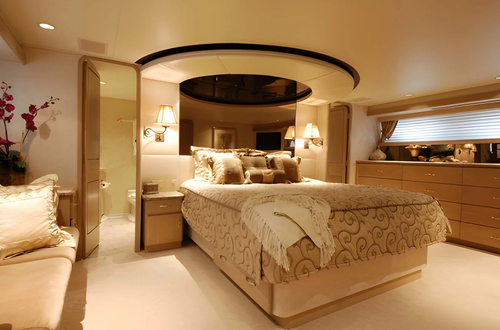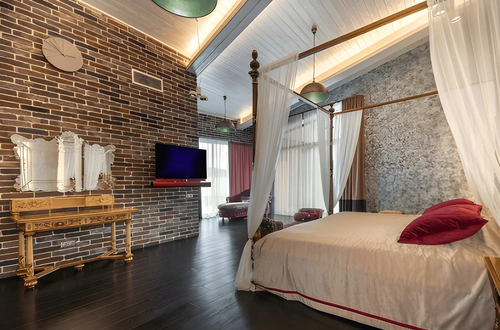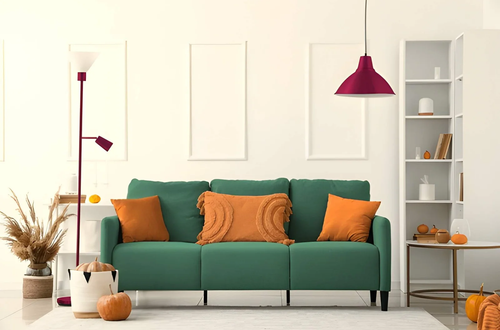
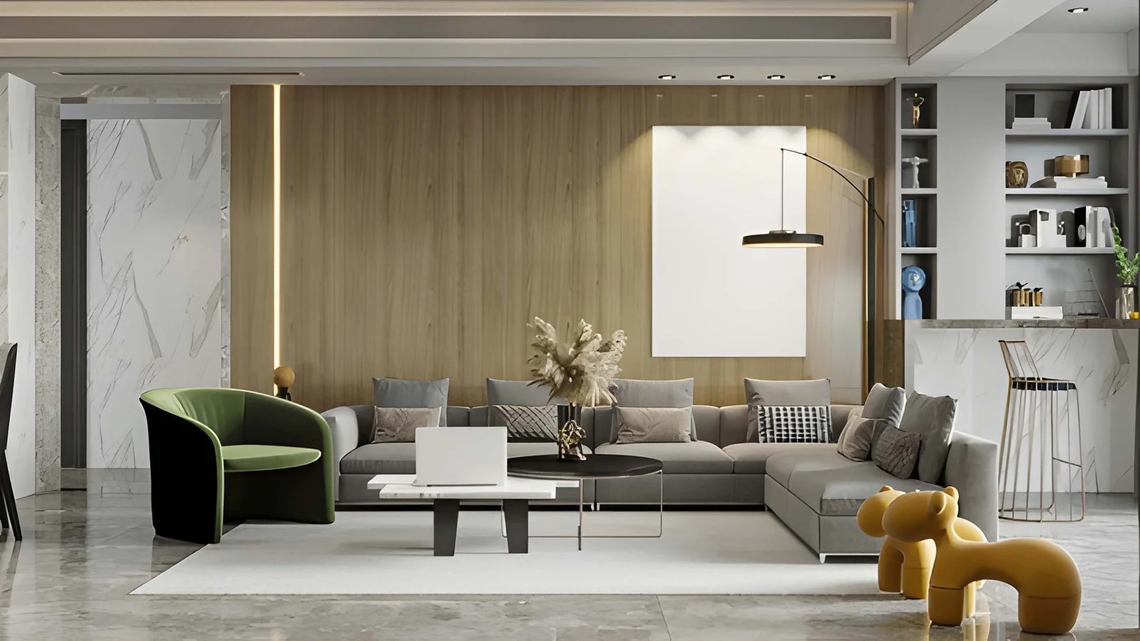
You have seen the rooms. A living space where nothing is especially expensive, yet everything looks chosen. The sofa sits at the right distance from the rug, the lamp light is warm, and a single piece of art ties it all together. Then you look at your own room and wonder what is missing. The answer is rarely money. So what are the secrets to achieving a designer-inspired interior?
Designers rely on habits, not luck. They plan the room before they shop, limit the palette, vary heights, layer light, and edit ruthlessly. This article explains those habits in plain steps. You will find a quick answer, a palette rule, a table of proportions, a lighting plan, a spend-versus-save guide, a one-weekend checklist, and the mistakes that keep a room looking like a showroom catalog. It suits apartments, rentals, and family homes. Read the quick answer first, then use the sections that fit your space.
What Are the Secrets to a Designer-Inspired Interior?
A designer-inspired interior comes from five habits: a limited palette, correct proportions, layered lighting, varied textures, and careful editing. Designers plan the layout first, repeat colors and materials across the room, and add personal objects last. The result looks cohesive because every item has a reason to be there.
Secret One: Use the 60-30-10 Palette
Most designer-inspired interiors follow a simple color split. About 60 percent is a dominant color, 30 percent is a secondary one, and 10 percent is an accent.
| Share | Role | Typical elements |
|---|---|---|
| 60% | Dominant | Walls, large rug, sofa |
| 30% | Secondary | Curtains, armchair, bedding |
| 10% | Accent | Cushions, art, vases |
Treat this as a guide, not a law. It stops you from buying five bold colors that fight each other.
Secret Two: Get Proportions Right
Wrong scale is the quickest way to spoil a room. These common guidelines help.
| Item | Practical guideline |
|---|---|
| Rug | Large enough for front legs of all seating to rest on it |
| Coffee table | About two thirds the length of the sofa |
| Curtain rod | Hung high and wide, near the ceiling |
| Art above a sofa | Roughly two thirds the width of the sofa |
| Walkways | About 30 to 36 inches clear |
If a room feels off but you cannot say why, check the rug first. A small rug makes furniture look like it is floating.
Secret Three: Layer the Light
One ceiling light flattens a room. Designers use three layers: ambient light for general use, task light for reading or cooking, and accent light for mood. Add at least two or three lamps at different heights, and use warm bulbs around 2700K. Dimmers make the biggest difference for the least cost. Good light is one of the quickest ways to make a designer-inspired interior feel real.
Secret Four: Mix Textures and Heights
A room with one texture looks flat, even if the colors are perfect. Combine at least three: something soft (wool or linen), something smooth (glass or ceramic), and something natural (wood or stone). Vary heights as well, with a tall lamp, a medium table, and a low bowl. Odd numbers of objects tend to look more natural than pairs.
If you want pieces to build this layering, you can check out [anchor text] before you start buying.
Where to Spend and Where to Save
| Spend more on | Save on |
|---|---|
| Sofa and mattress | Picture frames |
| Lighting | Cushion covers |
| Curtains and hardware | Vases and bowls |
| Paint quality | Small decor items |
Things you touch daily or that shape the room deserve the larger budget. Things that are easy to swap can be cheap.
A One-Weekend Checklist
- Edit first. Remove half the objects from surfaces and see what you miss.
- Fix the biggest scale problem. Usually the rug or curtains.
- Choose your palette. Write down the 60-30-10 colors.
- Add two lamps and replace cold bulbs.
- Add one large piece of art or a mirror.
- Repeat one color or material three times.
- Finish with a living element. A plant or branch works.
Mistakes That Stop a Room From Looking Designed
The biggest mistake is buying everything at once from one collection. A designer-inspired interior looks collected, not matched. Another is hanging art too high. The center of a frame usually sits around eye level, which is roughly 57 inches from the floor. Too many small items are also a problem, since clutter reads as lack of planning. Finally, avoid copying a trend without checking it fits your light, space, and habits. A look that works in a sunny loft may feel heavy in a small dark flat.
FAQ
Can I create a designer-inspired interior on a budget?
Yes. Edit, fix proportions, add lighting, and keep a tight palette. These steps cost little.
How do designers make a room feel finished?
They repeat colors and materials, vary textures, and leave some empty space.
Does it work in rentals?
Yes. Lamps, rugs, curtains, art, and furniture placement need no permanent changes.
How long does it take?
One room can change in a weekend. A whole home usually takes a few weeks.
Bottom Line
A designer-inspired interior depends on restraint and planning: a three-part palette, correct proportions, layered light, and varied texture. Edit first, spend on the pieces that matter, and repeat key colors and materials. Do that, and your room will look intentional.
Must visit https://decoratoradvice.ca/ for designer-inspired interiors.