

In a home you love, each room may have its own mood. The kitchen is bright, the living room calm, and the bedroom full of color. Even so, the rooms seem to belong together. That feeling often comes from a few choices that carry through the home. A shared color or wood tone can make the spaces feel connected. This is part of the thinking behind full service interior design Toronto, where the home is considered as a whole. You can use the same approach, one room at a time.
Find a Thread Worth Keeping
Before you buy anything, take a slow walk through your home. Notice the colors and finishes that already appear in more than one place. Perhaps the floors have a warm oak tone, the door handles are dark metal, or there is a shade of green you tend to bring home. These details can become the thread that ties your rooms together. Take photos from each doorway. They show how rooms look from one space to the next.
Choose a few things to repeat. You might settle on warm wood, soft cream, and small touches of blue. The blue could appear in a kitchen runner, a living room cushion, and a painting in the bedroom. It does not need to be the same shade in every room. The aim is to give the eye something familiar as you move through the house.
If you are unsure, look at one item you plan to keep. A favorite rug, a framed print, or a dining table may hold the colors and materials that suit your home. Let it guide new choices.
Make the Most of What You Own
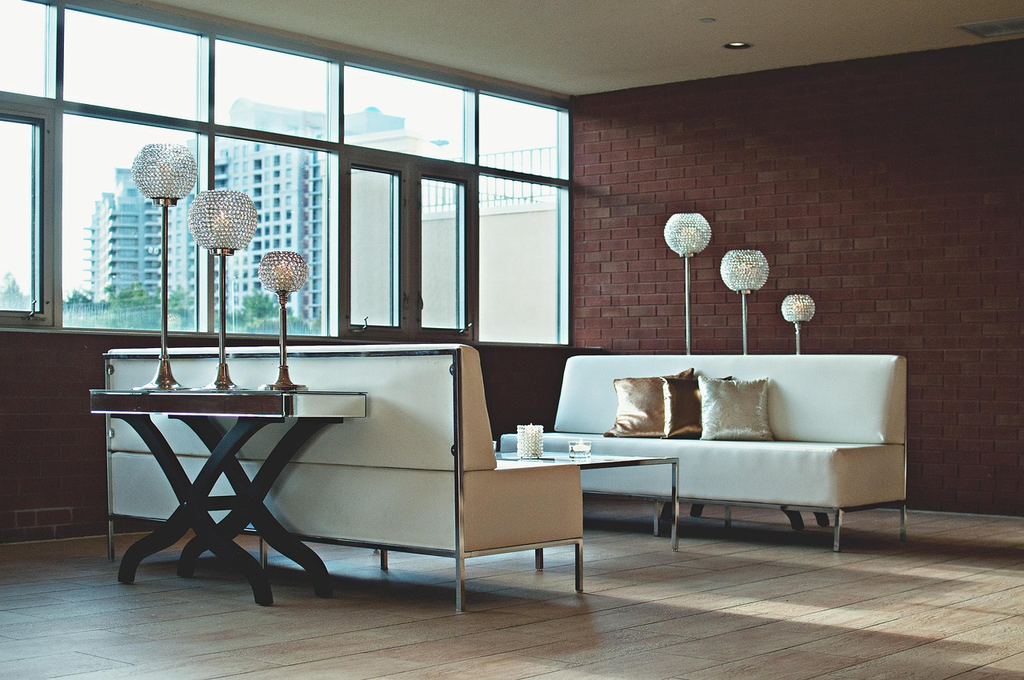
A home refresh can bring the urge to replace everything that feels out of place. First, look at what a piece does well. A solid wood dresser may still have years of use. A chair may be well made, even if its fabric feels dated. Moving these items can often change how they feel. A bedroom chest might work in a dining room. A lamp that feels too small beside the sofa could be the right size for a desk.
Try a new arrangement before spending money. Shift a rug so that it connects the main seats. Move a side table closer to the place where you read. Take down art and group it in a way that brings out colors you enjoy. Live with the change for a few days to see how it works.
Some updates are worth paying for. New fabric can give a well-built chair another life, and a worn piece may look good with a simple finish repair. Compare the cost with a new piece, including delivery. A budget works harder when you spend it on the changes that solve a real problem.
Let Color Travel Between Rooms
Color is one of the easiest ways to give separate spaces a shared feel. Begin with colors you cannot change with ease, such as floors and cabinets. Look at their undertones in daylight. Gray floors may look warm, while white counters may look cool. Paint and fabrics will sit beside these surfaces, so it helps to see them together.
You can give each room a different color and still keep a common thread. A living room might use a soft green on the walls, while the dining room has warm off-white walls and green in the curtains. A bedroom could carry green in a quilt. These links are gentle, and they leave room for each space to have its own mood.
Paint samples are a low-cost way to test a plan. Place large samples on more than one wall and look at them in the morning and evening. Check the view from the next room as well. If colors work from the doorway, they may suit the whole home.
Repeat Materials With a Light Hand
Materials give a home its sense of touch. Wood, wool, linen, glass, and metal can all help create a warm link between rooms. Use finishes you already enjoy. A warm wood table might connect with a simple picture frame elsewhere. A dark metal floor lamp could relate to cabinet hardware in another room. A small echo is often enough.
The finish does not have to match exactly. Wood has natural changes in grain and shade, and those changes can give a room depth. Set samples side by side to check the tones. If you have a mix of wood pieces, a rug or upholstered chair can soften the space between them. Fabric can link rooms too. A stripe in the kitchen may share a color with a plain cushion in the living room, while a woven throw brings a similar texture to a bedroom.
Keep practical needs in mind. A family room needs fabric that can handle spills. An entry needs a rug you can clean. Choose things you can live with each day. Good design has to feel good on an ordinary Tuesday.
Give Every Room Its Own Purpose
Each room has its own job to do. A kitchen often calls for bright task lighting and easy-to-clean surfaces. A bedroom may feel better with soft light and fewer things in view. A living room might need flexible seats for guests and a spot to curl up with a book. Let each need guide your choices.
It helps to keep one detail familiar as you move between rooms. The same kind of warm light, a repeated wood finish, or art with related colors can create a sense of flow. Then let the room itself lead. A bold rug may suit the study, while the bedroom feels calm with plain fabric and pale walls. These small differences make a home personal.
Make Changes in a Sensible Order
When you want to improve several rooms, it is easy to spread the budget too thin. Start with the spaces you use most, or with a problem that affects daily life. A better lamp may do more for a dark living room than a new set of accessories. A rug may help old furniture feel more settled. Write down what you need, what you would like, and what can wait.
Keep a simple record of your choices. Save paint names, fabric swatches, photos, and key measurements in one folder. When you shop months later, you can check what fits. Give yourself time between purchases so you can see how each change works. Steady choices can protect your budget.
A cohesive home grows from attention to the things you already love and the way you live. You can repeat a color, carry a finish from one space to the next, or keep a piece of furniture that has a story. Each room can still feel like its own place. When the choices come from the same sense of care, the home begins to feel like one whole. Read more at https://decoratoradvice.ca/


