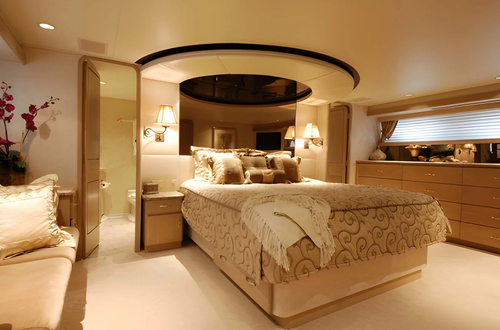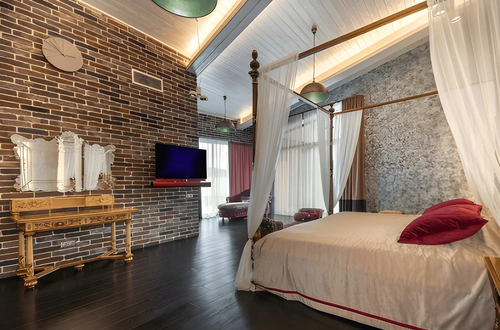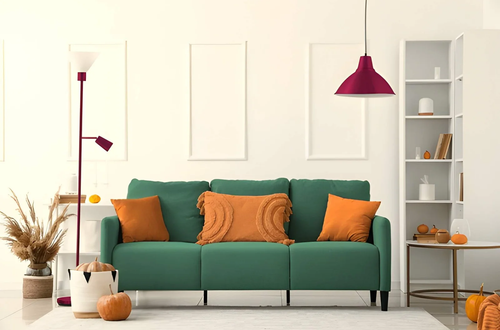
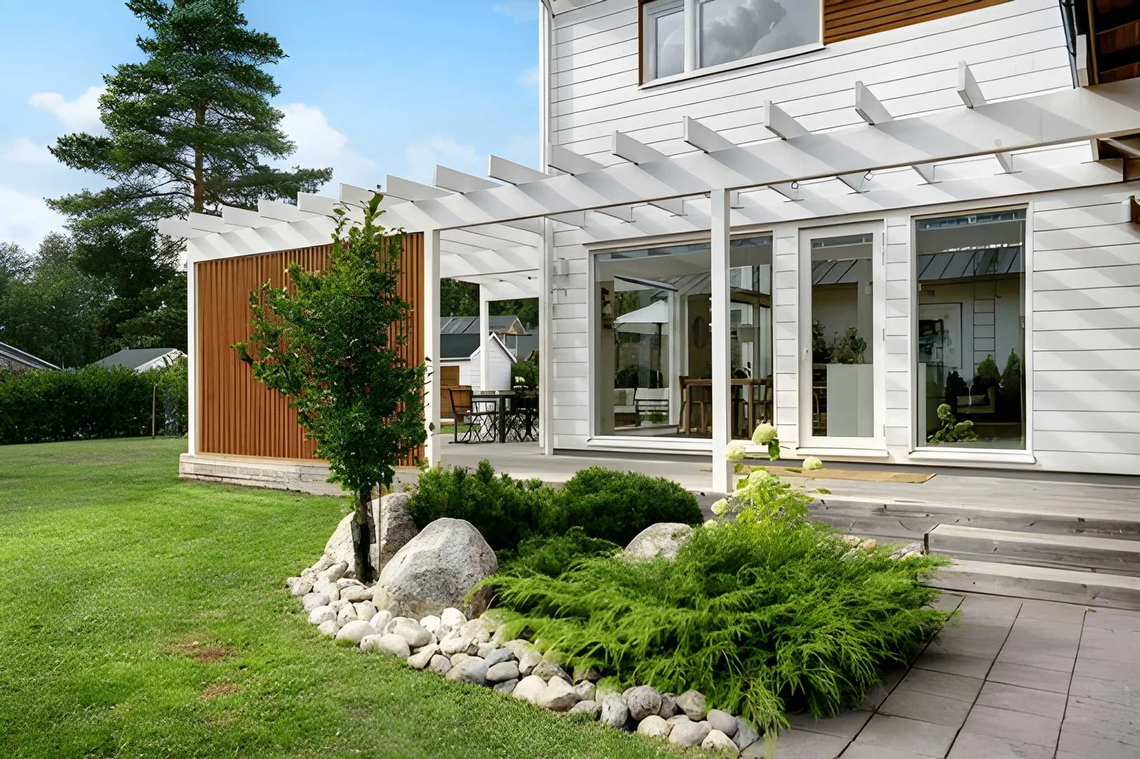
Most houses are built to be sold, not loved. Builder-grade finishes, flat white walls and a single ceiling light in every room give you a place that works but says nothing about the people living there. The good news is that you can turn an ordinary house into a designer masterpiece without knocking down walls or spending a fortune. Designers lean on a small set of repeatable decisions: how a space is zoned, how light is layered, how colour is spread around, and how texture and scale are balanced. None of this needs a luxury budget. It needs the right order and some patience. This guide walks through that order, from structural basics to final styling. You’ll find two quick reference tables, a simple colour formula, a list of mistakes that make homes look cheaper than they are, and short answers to common questions. Read it once, then walk through your own rooms with a notepad.
What Does It Take to Turn an Ordinary House Into a Designer Masterpiece?
To turn an ordinary house into a designer masterpiece, work in layers. Fix layout and flow first, then lighting, then a limited colour palette, then materials and furniture scale, and finally styling. Designers follow this order because early layers are expensive to change, while decor is cheap to swap.
| Layer | What to do | Cost to change later |
|---|---|---|
| 1. Layout and flow | Clear walkways, group furniture into zones | High |
| 2. Lighting | Add lamps, dimmers, warm bulbs | Medium |
| 3. Colour | Pick one palette for the whole house | Low to medium |
| 4. Materials and scale | Match rug, sofa and curtain proportions | Medium |
| 5. Styling | Art, plants, books, objects | Low |
People usually start at layer five because shopping for cushions is more fun than moving a sofa. It rarely works. A beautiful vase cannot rescue a room where you have to squeeze past the dining chairs.
Why Does Lighting Matter More Than Furniture?
Lighting decides how every other choice looks. A good sofa under harsh overhead light looks flat, and a modest sofa under warm, layered light looks expensive.
Aim for three layers in every main room: ambient (general), task (reading, cooking) and accent (art, shelves). For living areas and bedrooms, bulbs rated around 2700K to 3000K give a warm glow, and a colour rendering index (CRI) of 90 or higher keeps fabrics and skin tones looking natural. Put lamps on dimmers wherever you can. If you want a deeper walkthrough of fixtures, your anchor text is a sensible next read.
| Light type | Where it works | Simple example |
|---|---|---|
| Ambient | Whole room | Ceiling fixture on a dimmer |
| Task | Work zones | Under-cabinet strip, reading lamp |
| Accent | Features | Picture light, shelf spotlight |
Which Colour Rule Keeps a Home Cohesive?
The 60-30-10 rule is the easiest. Use one main colour for about 60% of a room (walls, large rugs), a secondary colour for 30% (sofa, curtains), and an accent for the last 10% (cushions, art, a single chair).
Keep the same undertone across the house so rooms feel connected as you walk between them. Before you commit, paint large swatches on two walls and look at them in morning and evening light for a few days. Paint changes dramatically depending on the sun, and a colour that looked calm in the shop can turn green at 6 p.m.
What Finishing Touches Make a Home Feel Designed?
Small details separate a decorated house from a designed one:
- Hang art at eye level. Galleries centre pieces roughly 57 inches (145 cm) from the floor. Most people hang them far too high.
- Size rugs generously. At least the front legs of every sofa and chair should rest on the rug.
- Hang curtains high and wide. Mount the rod close to the ceiling and extend it past the window frame so the window looks larger.
- Group objects in odd numbers. Three or five items look intentional. Pairs look stiff.
- Edit surfaces. Leave empty space. Rooms with breathing room look calmer and more costly.
What Mistakes Make a Home Look Cheaper Than It Is?
| Mistake | Why it hurts | Quick fix |
|---|---|---|
| Matching furniture sets | Feels like a showroom, not a home | Mix two or three wood tones and finishes |
| Tiny rugs | Furniture looks like it’s floating | Go up one size |
| One overhead light | Flat, shadowy rooms | Add two lamps at different heights |
| Too many colours | Rooms feel noisy | Return to 60-30-10 |
| Pushing furniture against walls | Rooms feel like waiting areas | Pull the sofa 10 to 15 cm out and float it |
Frequently Asked Questions
How much does it cost to make a house look designer?
It depends on the size of the house and your choices, but lighting, paint, rugs and curtains deliver the biggest visual change per dollar. Many people see a major shift before touching kitchens or bathrooms.
Which room should I start with?
Start with the room you use most, usually the living room. A visible win builds momentum, and you can reuse the same palette elsewhere.
Do I need an interior designer?
Not always. A designer helps most with layout changes, custom joinery and large budgets. For styling, lighting and colour, the rules above are enough to start.
How long does the process take?
A single room can be transformed in a weekend if you’ve planned the layers. A whole house is easier to approach one room per month.
Final Thoughts
To turn an ordinary house into a designer masterpiece, you don’t need rare materials or a famous name. You need a sequence: layout, light, colour, scale, then styling. Skip a step and the room feels off, even if you can’t say why. Do them in order and a plain house starts to look like someone with taste lives there. Pick one room, finish one layer this week, and judge the result in evening light.
For designer masterpiece house ideas must visit https://decoratoradvice.ca/