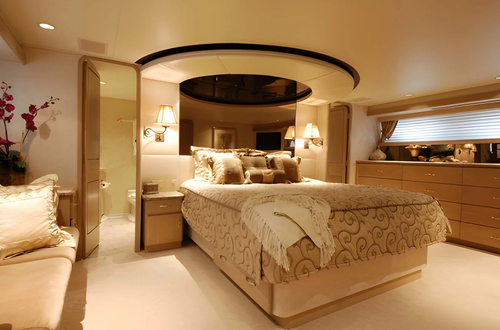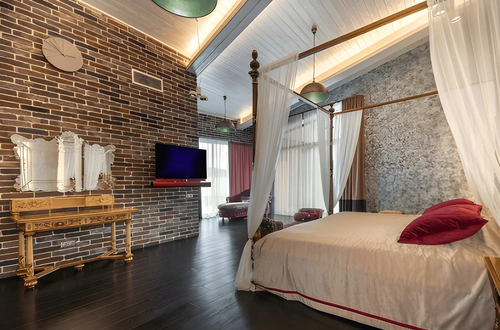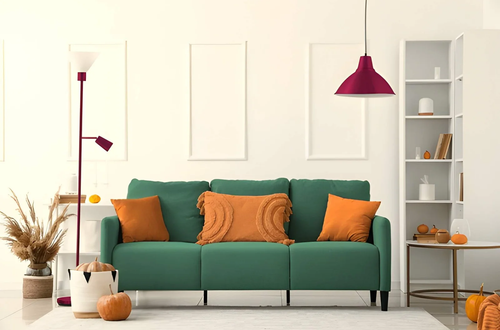
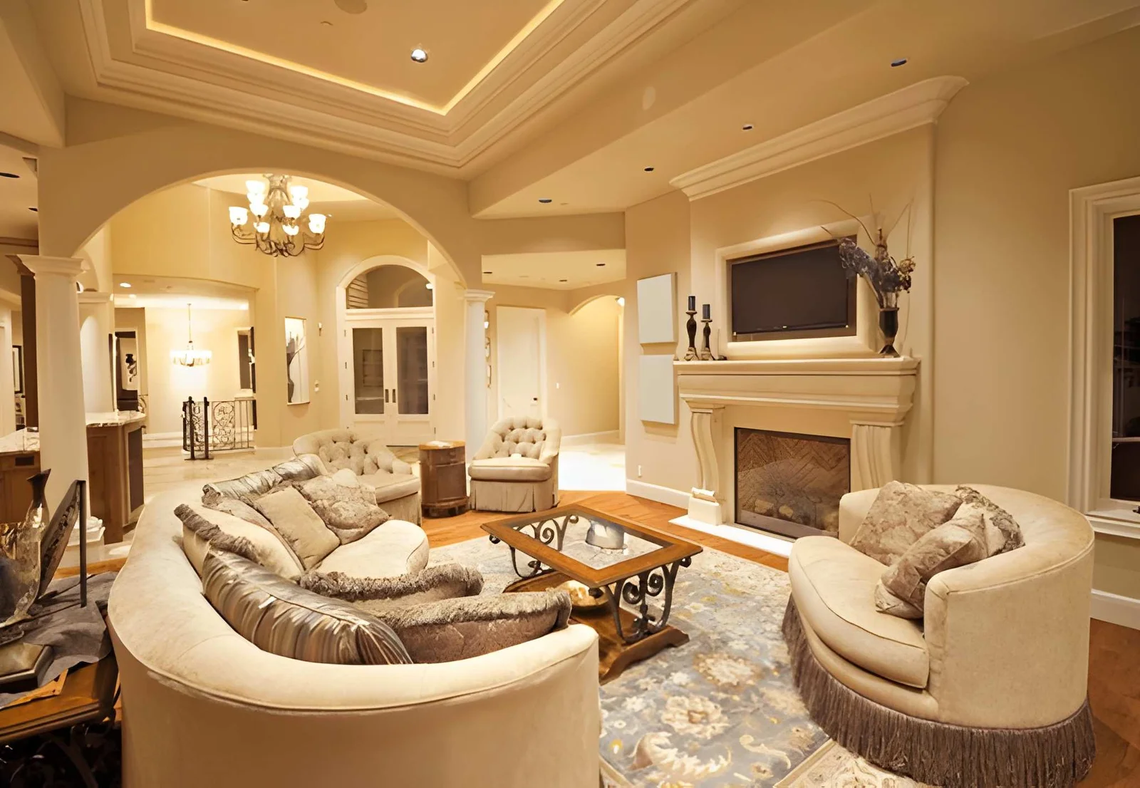
You can walk into a hotel lobby or a friend’s home and know within seconds that the room is expensive. Nobody has told you the price. The sofa doesn’t have a label. Yet your shoulders drop, your voice softens, and you start touching things. That reaction is not magic, and it’s rarely about money alone. Interiors feel more luxurious when a handful of sensory signals line up: the weight of materials, the colour of the light, how quiet the room is, how much is left out, and how consistent every detail looks. Plenty of costly homes miss these signals, and plenty of modest ones hit them. This article breaks down the seven factors that shape that first impression, shows which ones cost almost nothing to fix, and gives you a short checklist for testing any room you own. Two tables and a quick FAQ are included for easy reference.
What Makes Interiors Feel More Luxurious?
Interiors feel more luxurious when they combine restraint, quality materials, layered warm light, controlled sound and consistent detailing. Luxury is read by the senses, not the price tag. A room with fewer items, heavier textures and softer light will feel richer than a crowded room full of expensive pieces.
| Factor | What the senses pick up | Typical low-cost improvement |
|---|---|---|
| Restraint | Calm, visual space | Remove a third of surface items |
| Material weight | Solid, cool, substantial | Swap light hardware for heavy brass or steel |
| Light | Warm, soft, no glare | 2700K bulbs, dimmers, lamps |
| Sound | Quiet, no echo | Rugs, lined curtains |
| Consistency | Everything belongs | One palette and one metal finish |
| Scale | Generous proportions | Larger rugs, taller curtains |
| Touch | Natural, tactile | Linen, wool, wood |
Why Does Restraint Matter More Than Price?
A cluttered room signals that nothing has been chosen carefully. A calm one signals the opposite. Hotels and showrooms use negative space on purpose: a single large lamp instead of five small objects, one oversized artwork instead of a gallery wall.
When I assess a room, I count visible categories of things. If I can see more than about five (books, plants, candles, frames, trays, baskets), the eye has nowhere to rest. Cut it back, then add one item with real presence. The room will look more expensive immediately, and you’ll have spent nothing.
How Do Materials and Weight Change the Feeling?
Your hands judge a room before your eyes finish. Heavy doors, solid drawer handles, stone counters and thick fabric feel substantial. Thin veneers, hollow handles and shiny synthetic fabrics feel temporary, even when they look fine in photos.
| Looks cheap | Feels luxurious | Why |
|---|---|---|
| High-gloss plastic laminate | Honed stone or solid timber | Natural variation and cool touch |
| Polyester curtains | Lined linen or wool curtains | Weight and soft drape |
| Lightweight brass-plated handles | Solid metal handles | Heft in the hand |
| Flat, uniform paint | Limewash or matt finish | Depth and light absorption |
You do not need to replace everything. Upgrade what people touch daily: door handles, light switches, cabinet pulls and bedding. Small, repeated touchpoints shape the whole impression.
Why Do Warm Light and Quiet Make Interiors Feel More Luxurious?
Harsh overhead light flattens a room. Layered, warm light adds depth. Bulbs around 2700K to 3000K with a colour rendering index (CRI) of 90 or above make fabrics, wood and skin look natural. Put lamps at different heights, keep them on dimmers, and avoid bare bulbs. If you want to go further on fixtures, your anchor text is a useful next step.
Sound is the layer people forget. Bare floors, large windows and hard walls make a room echo, which our ears read as cold and unfinished. Rugs, upholstered furniture, bookshelves and lined curtains absorb sound, so the room feels hushed. Expensive spaces are almost always quiet ones.
How Does Consistency Create a High-End Look?
A luxury look is mostly repetition done well. Choose one metal finish, two or three wood tones, and a tight colour palette with the same undertone, then repeat them from room to room. When every door handle, tap and lamp base matches, the house reads as designed rather than assembled.
| Mistake | Effect | Fix |
|---|---|---|
| Mixing four metal finishes | Feels random | Pick one main, one accent |
| Too many accent colours | Feels busy | Limit to one or two |
| Different handle styles | Looks unplanned | Standardise throughout |
| Small rugs and short curtains | Feels cramped | Go larger and hang higher |
Quick Test: Is Your Room Reading as Luxurious?
- Stand at the door. Can your eye land on one focal point?
- Clap once. Does the sound echo?
- Touch the three most-used surfaces. Do they feel solid?
- Turn off the ceiling light. Is the room still pleasant?
- Count the metal finishes. More than two is too many.
Frequently Asked Questions
Do you need an expensive budget to make a room look luxurious?
No. Editing clutter, changing bulbs, adding lined curtains and upgrading hardware cost far less than new furniture, and they change the feeling more.
Which colours feel the most luxurious?
Deep neutrals such as charcoal, warm taupe, ivory and olive often read as rich, mainly because they absorb light softly. Matt finishes help.
What is the fastest single change?
Lighting. Switching to warm bulbs and adding two lamps on dimmers shifts the mood in an evening.
Does a smaller room limit the luxury look?
Not really. Small rooms can feel luxurious when materials are high quality and the space is edited.
Final Thoughts
Interiors feel more luxurious because someone made fewer, better, more consistent choices. Weight, warmth, quiet and restraint do most of the work, and all four can be improved room by room. Start with what you can touch and what you can switch off, then edit until the room breathes.
Must visit https://decoratoradvice.ca/ for more luxurious interiors.