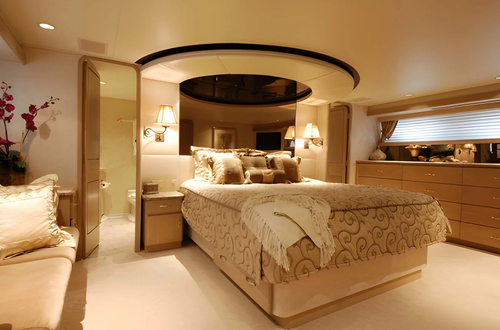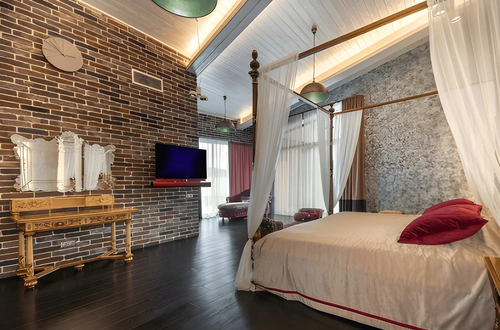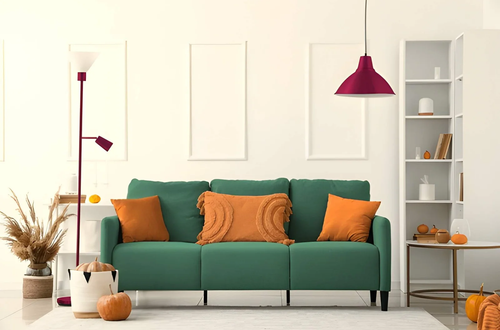
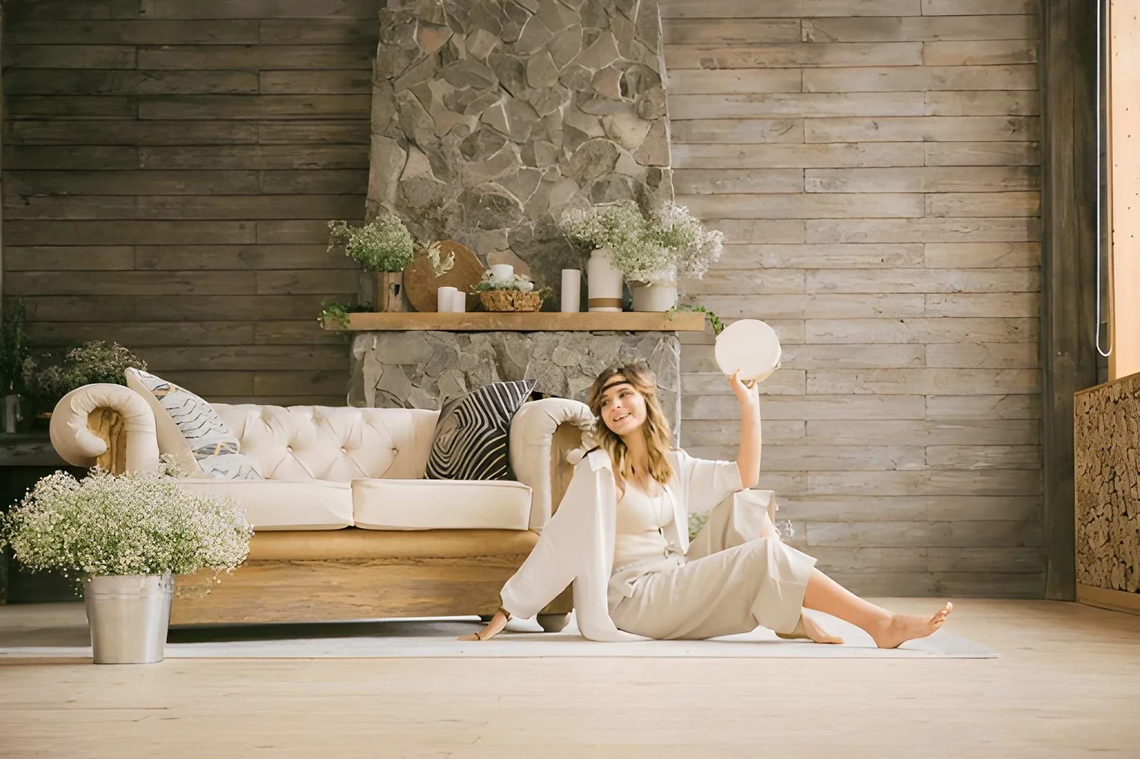
Walk into a well-designed home and you’ll assume a big budget. Look closer and you often find a modest sofa, ordinary walls and a few smart decisions. Expensive-looking rooms are usually built on how things are chosen and arranged, not on how much each item costs. That is good news if you’re working with a small budget, because the habits that signal quality (consistent finishes, warm light, generous scale, quiet surfaces) are mostly free or cheap. This guide shows how to achieve a high-end look without expensive purchases, starting with the changes that give the biggest visual return and ending with the false economies that waste money. You’ll find two comparison tables, a priority order to follow, a weekend plan and short answers to common questions. The advice comes from standard interior design practice, and each tip can be tested in a single room before you commit to the rest of the house.
What Is the Fastest Way to Get a High-End Look Without Expensive Purchases?
The fastest route is to change what people see and touch first: lighting, paint, hardware and clutter. Warm bulbs, a consistent colour palette, solid-feeling handles and edited surfaces change how a room feels in a day, and none requires buying new furniture.
| Change | Typical effort | Visual impact |
|---|---|---|
| Declutter and edit surfaces | 1 to 2 hours | Very high |
| Warm bulbs and lamps | 1 hour | Very high |
| Repaint one wall or room | 1 weekend | High |
| Replace hardware | 2 to 3 hours | Medium to high |
| Hang curtains higher and wider | 1 hour | High |
| Add large artwork | 1 hour | Medium |
Where Should You Spend a Little to See the Most?
Spend where your eyes and hands land most. Upgrade the touchpoints, not the big pieces.
Lighting. Swap cool white bulbs for 2700K to 3000K, ideally with a CRI of 90 or higher, and add two lamps at different heights. Dimmers help. Bare overhead light is the quickest way to make a nice room look flat.
Hardware. Cabinet pulls, door handles and light switch plates are small, repeated details. Replacing cheap or mismatched ones with a single finish makes cabinets and doors look custom. For fixtures that match, your anchor text is a reasonable next stop.
Paint. Matt or eggshell finishes in a limited palette look richer than glossy or patchy ones. Test large swatches and check them morning and evening before buying.
Curtains. Mount the rod close to the ceiling and extend it past the window frame. This makes ceilings look taller and windows larger.
How Can You Get a High-End Look Without Expensive Purchases by Spending Smart?
Pick one or two places for quality and save everywhere else. Textiles, bedding and a good rug repay the cost. Decorative items rarely do.
| Spend a little more | Save |
|---|---|
| Lined curtains | Cushion covers |
| A large, well-sized rug | Small decor objects |
| Quality towels and bedding | Wall art frames (second-hand works) |
| Solid hardware | Planters and vases |
| Paint | Trend-led accessories |
Second-hand shops, markets and online listings are strong for solid wood furniture, mirrors, lamps and frames. Often the quality is higher than new equivalents at the same price. Look for good joints, heavy weight and simple lines, then refresh with paint or new hardware.
Which Styling Habits Cost Nothing?
Free changes often do the most.
- Edit. Remove about a third of what sits on tables, shelves and counters.
- Group in odd numbers. Three or five objects look intentional.
- Repeat colours. Use each accent colour at least three times in a room.
- Float furniture. Pull a sofa 10 to 15 cm off the wall.
- Hang art at eye level. Galleries commonly centre works about 57 inches (145 cm) from the floor.
- Rearrange before buying. Move pieces between rooms and test new layouts for a week.
What False Economies Make a Home Look Cheaper?
| Mistake | Why it backfires | Better option |
|---|---|---|
| Many small cheap objects | Looks cluttered | Fewer, larger pieces |
| Tiny rugs | Furniture looks stranded | Go up one size, even second-hand |
| Mixed metal finishes | Looks random | Choose one main finish |
| High-gloss everywhere | Shows flaws, feels plasticky | Matt or satin |
| Fast-trend accessories | Dated quickly | Neutral, tactile basics |
A Simple Weekend Plan
| Day | Task |
|---|---|
| Saturday morning | Declutter and clean the main room |
| Saturday afternoon | Replace bulbs, position lamps |
| Sunday morning | Paint, or swap hardware |
| Sunday afternoon | Rehang curtains and art, restyle surfaces |
Frequently Asked Questions
Can you really make a home look expensive on a small budget?
Yes. Lighting, paint, hardware and decluttering account for much of what people read as luxury. These changes cost far less than new furniture.
What is the single best low-cost upgrade?
Lighting. Warm bulbs and two extra lamps on dimmers change the mood more than almost any purchase of similar price.
Is second-hand furniture worth buying?
Often. Solid wood and well-made upholstery frames last for years, and a simple refresh gives them a modern look.
What should I avoid?
Avoid buying many small accessories at once. Wait, live with the room, then add one or two quality pieces.
Final Thoughts
A high-end look without expensive purchases comes from restraint and consistency, not from a bigger budget. Fix the light, edit the surfaces, unify the finishes and size things generously. Then spend a little where your hands touch and your eyes land. Start with one room this weekend and judge the result in the evening.
For high-end look ideas must visit https://decoratoradvice.ca/