
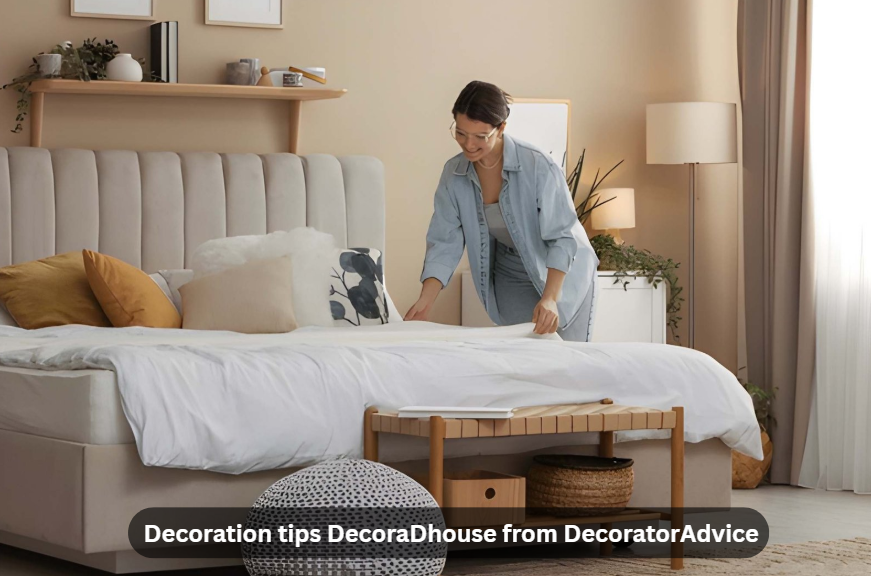
Most home decor articles tell you to “layer your textures” and “create a cohesive palette” without ever explaining what that looks like in a 12×14 living room with a beige sofa you bought six years ago. The advice sounds polished. It lands nowhere.
The decoration tips DecoraDhouse from are different because they start with what you already have. No gut renovation. No designer retainer. The platform, decoratoradvice com, has built a reputation among Canada homeowners for covering the gap between magazine-ready advice and real homes where furniture is mismatched, budgets are real, and walls are still half-painted from a project nobody finished.
This article covers the highest-return upgrades for five rooms, drawn from the decoration tips DecoraDhouse framework. Each section includes specific costs, honest notes on effort, and the one change worth making first if you are short on time or money.
Living room: why your furniture placement is probably wrong
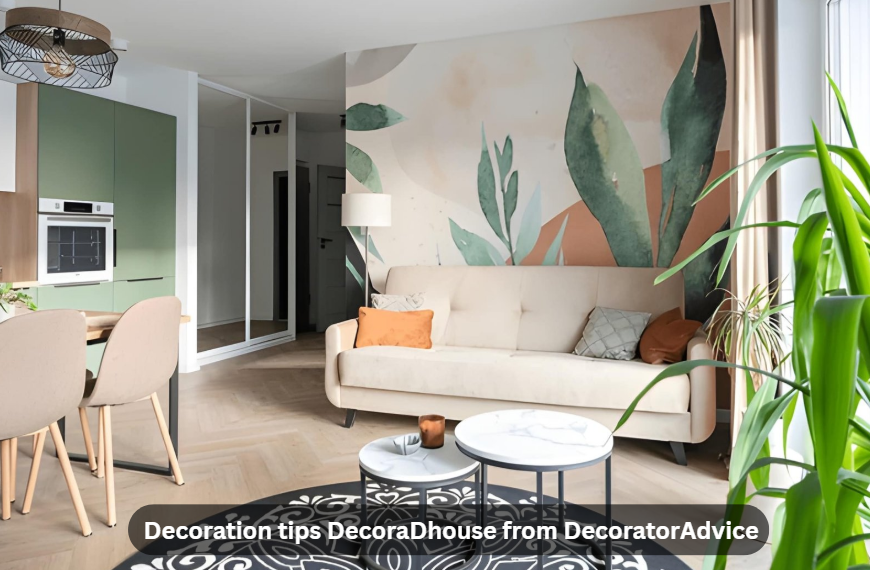
Push every piece against the wall and the room feels like a waiting area. It reads cold. The sofa belongs 18 to 24 inches off the wall, pulled toward the center, with a rug large enough to sit under the front legs of every seat. That one change, which costs nothing, makes the space feel like it was designed rather than assembled.
After layout, lighting is where the money goes furthest:
| Upgrade | Estimated cost | What it does |
| Replace overhead-only with floor lamp plus table lamp | $40 to $120 | Removes flat institutional light, changes the mood of the whole room |
| Add a rug sized 5×8 or larger | $80 to $300 | Anchors furniture into a cohesive zone |
| Replace builder-grade switch plates | $15 to $30 | Small detail, noticed more than people expect |
| Edit throw pillows down to two or three solid neutrals | $30 to $80 | Reduces visual clutter without removing comfort |
Five small decorative objects look like clutter. One large piece looks intentional. That ratio holds in every room.
Bedroom: what actually makes a bed look expensive
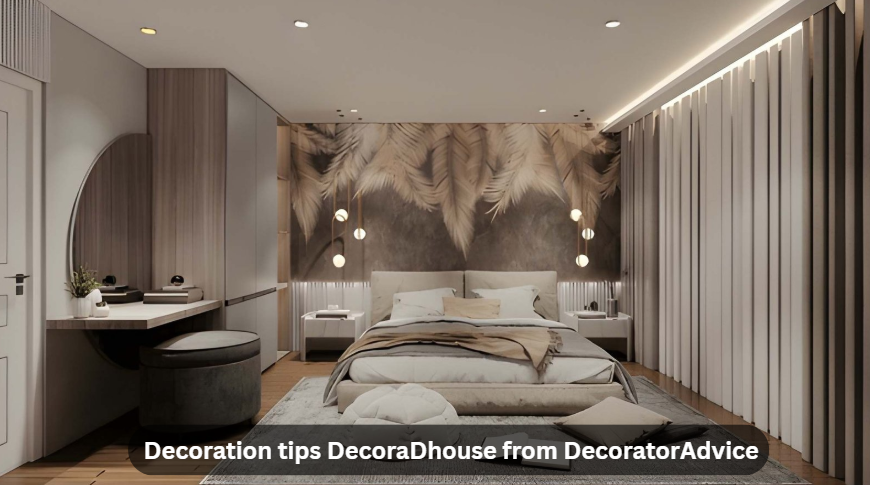
The frame rarely matters as much as people think. Bedding does.
A fitted sheet, a flat sheet, and one duvet in a solid neutral, white or warm grey or soft oatmeal, will outperform a fussy patterned set every time. Two sleeping pillows with matching cases, two Euro shams behind them. That is the hotel bed formula, and it works because it removes decision fatigue from the eye.
For lighting specifically: the color temperature of bulbs matters more than the shade of the walls. Warm white bulbs at 3000K feel cozy. Cool white at 5000K feel clinical. Swapping one bulb is free if you have a spare. Do that before repainting anything.
Curtain placement is the other misunderstood bedroom upgrade. Hang the rod four inches above the window frame, extend it six inches past each side, and use floor-length panels. The window reads bigger. The ceiling reads higher. The curtains cost the same wherever you hang them. These practical design principles reflect the expert insights shared about, helping homeowners create more polished and visually balanced spaces.
Kitchen: three changes that do not require a contractor
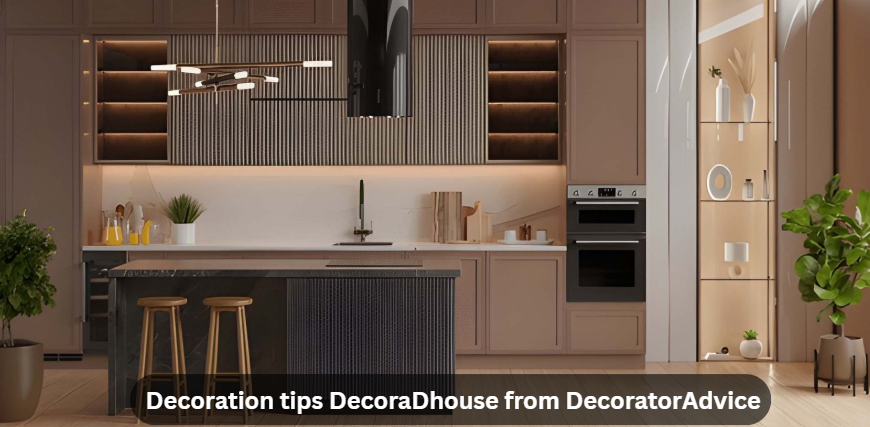
Cabinet hardware replacement is the most underrated kitchen upgrade for Canada homeowners. Swapping builder-grade knobs for matte black or brushed brass pulls takes two hours and costs $40 to $90 for a full kitchen. The visual difference is visible from the doorway.
Under-cabinet LED strip lighting runs under $30 at any hardware store. Plug-in versions require no electrician. The counter goes from flat and shadowed to intentional and usable. Most people who try this say they wish they had done it years earlier.
Clearing the counter is free. Every appliance sitting out adds visual noise. Keep only what gets used daily. Counter space reads as clean and deliberate regardless of what the cabinets look like.
Bathroom: small room, high return on small effort
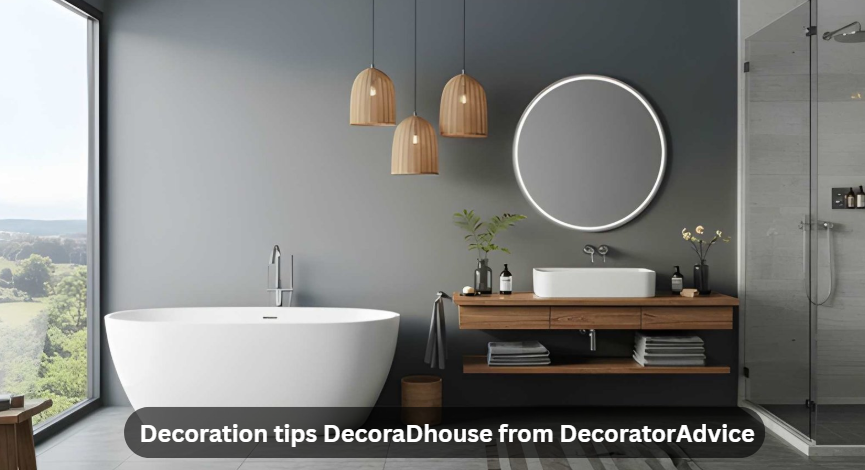
Guests always see the bathroom. The decoration tips approach for bathrooms prioritizes four swaps, all affordable:
| Item | Budget range | Why it works |
| Shower curtain (white linen-look) | $25 to $50 | Reads spa-like immediately, changes the tone of the whole room |
| Matching towels in one neutral | $15 to $30 per set | Cohesion reads as quality even at low price points |
| Frameless or black-framed mirror | $40 to $150 | Updates the vanity without touching the vanity |
| Matching soap dispenser and dish | $12 to $25 | Small detail, consistently noticed by visitors |
One low-maintenance plant, a pothos or snake plant on a shelf or the back of the tank, adds life. Neither species needs much attention. Both survive inconsistent watering.
Home office: the one thing that improves focus more than organization

Most home office advice is about storage. The real problem is usually light.
A desk facing a wall with no natural light source nearby produces eye fatigue within an hour. Reorient the desk toward a window if possible, even at an angle. If the room has no window nearby, add a dedicated task lamp with a 4000K daylight bulb positioned to the left of the monitor if you are right-handed. Shadows disappear. Focus improves. No desk purchase required.
For the walls, one piece of art at eye level does more than a full gallery wall assembled from random prints. As highlighted by latest, eye level means the center of the frame sits at 57 to 60 inches from the floor, which is the standard museum hang height and the measurement most people ignore.
What the decoration tips DecoraDhouse framework keeps coming back to
Across every room, the platform returns to the same logic: fix light before buying decor, choose fewer and larger pieces over many small ones, and address the overlooked details that make a well-furnished room still feel unfinished.
Scuffed baseboards. Yellowed switch plates. Curtains hung at the wrong height. These cost almost nothing to fix and they are the reason some rooms feel slightly off even after new furniture arrives.
Frequently asked questions (Decoration tips decoradhouse)
What are the best decoration tips DecoraDhouse recommends for renters who cannot paint or drill?
Focus on lighting and textiles. Swapping bulbs, adding floor lamps, using removable peel-and-stick wallpaper on a single accent wall, and investing in quality bedding and towels cover most of the visual improvement in any rental without touching a wall permanently.
Where should someone start if they have never decorated a room before?
Start with whatever bothers you most when you walk in. One specific problem is easier to solve than a vague sense that the room needs work. Fix the worst thing first, then reassess.
Does the DecoraDhouse approach work in small apartments under 600 square feet?
It was largely designed for exactly that situation. Vertical storage, scaled-down furniture, light colors, and fewer objects address the specific pressures of small spaces better than most mainstream decorating advice.
How much does a meaningful room refresh cost using these methods?
Most rooms run $100 to $400 depending on what needs addressing. Lighting and textiles give the highest return per dollar. Buying many small accessories tends to add up quickly without moving the needle the way one quality piece does.
Is this approach suitable for traditional or older American homes?
Yes. The principles apply regardless of architectural style. The specific materials differ, but the logic around light, proportion, and clearing visual clutter holds in a 1920s craftsman the same as in a modern condo.
A practical note before you start
The decoration tips are not a trend to chase. They are a repeatable process: identify the worst problem in a room, fix it with the least intervention possible, then move to the next. Rooms improved this way tend to stay improved because the changes address real issues rather than covering them with new purchases.



8 Comments on “5 Decoration tips DecoraDhouse: Proven room-by-room upgrades that actually work”