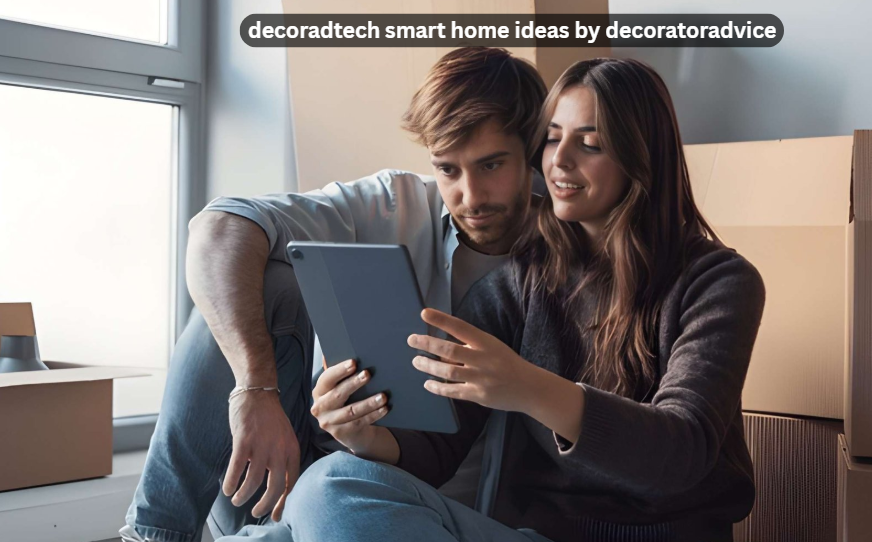
Walk into any home show this year and you’ll hear the same pitch on repeat: your fridge should talk to you, your lights should shift mood on command, and your thermostat should basically run your household. Some of that earns its keep. A lot of it is just expensive noise dressed up as innovation.
That’s the gap our decoradtech smart home ideas series exists to close. We’re not here to sell you every gadget on the shelf. We look at what’s actually livable day to day, what quietly stops getting used after the novelty wears off, and what’s become the new junk drawer of home technology. 2026 has brought a fresh wave of smart home products marketed as essential, and a lot of US homeowners are buying in before asking whether the tech solves a problem they actually have.
This article breaks down which smart home ideas are overrated right now, which decoradtech smart home ideas hold up under normal use, and how to tell the difference before your next paycheck disappears into blinking LEDs. Two comparison tables and a short vetting checklist are included below, built from patterns we’ve noticed across dozens of home tech reviews and reader feedback.
Where DecorAdTech Smart Home Ideas See the Most Overpromising in 2026
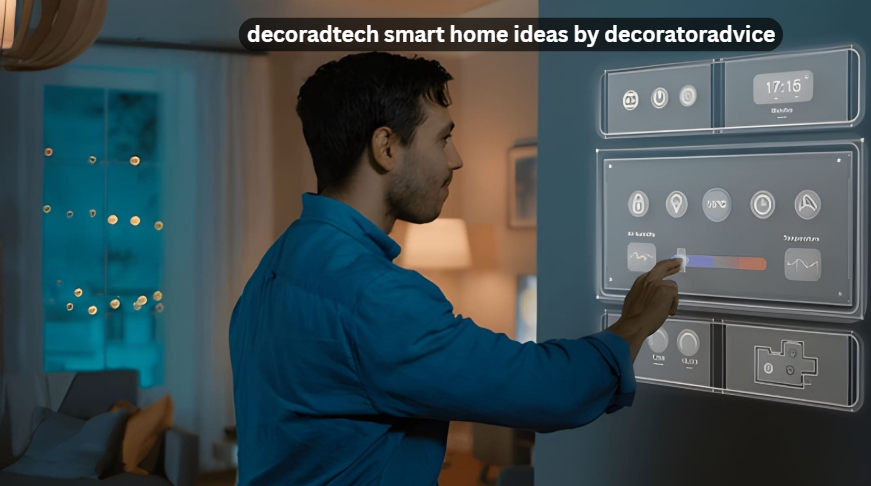
Three categories keep showing up on “must-have” lists this year, and three categories keep disappointing the people who actually buy them.
Smart fridges with built-in touchscreens. The screen is the selling point, and it’s also the first thing that stops getting used. Most owners default back to their phone for grocery lists within a few months, and the touchscreen becomes an expensive way to display family photos. If the appliance would cost hundreds less without the screen, that’s worth sitting with before you buy.
Full-home voice ecosystems. Voice control sounds effortless in a showroom demo. In a real house with kids, pets, a TV running in the background, and a router that occasionally hiccups, it turns into repeating yourself to a speaker three times before giving up and using a switch. Voice works well for a handful of specific tasks. It’s not a replacement for physical controls, and treating it like one usually leads to frustration, not convenience.
Subscription-based ambient lighting suites. Color-changing bulbs are fun for the first month. Paying a monthly fee to keep using features that used to be one-time purchases is where the math stops making sense for most households. If a lighting system stops working the way you bought it to work the moment you cancel a subscription, that’s a rental, not an upgrade.
What Actually Holds Up: Smart Home Upgrades Worth Keeping
Not everything in this space is overhyped. A few categories consistently earn their price tag, and they tend to share one trait: they solve a specific, recurring annoyance instead of trying to reinvent how you live.
Matter-standard hubs. Devices that follow the Matter protocol talk to each other without forcing you into one brand’s ecosystem. That interoperability matters more than any single feature, because it protects your investment when you inevitably add a new device from a different company.
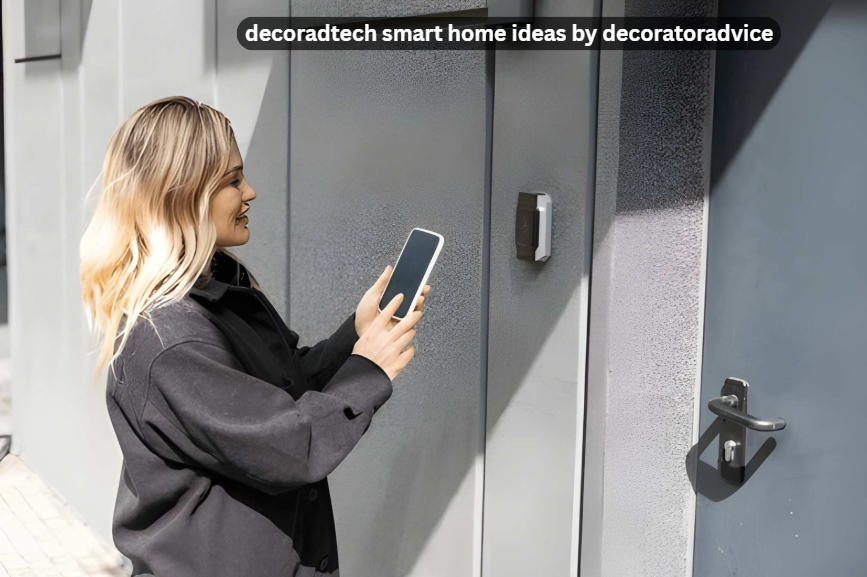
Smart locks with a physical key backup. Keyless entry is genuinely convenient, and keeping a physical override means a dead battery doesn’t lock you out of your own house. The best versions of this technology assume they’ll eventually fail and plan for it.
Water leak and smoke sensors. These rarely get mentioned on flashy “top smart home gadgets” lists, but they’re the closest thing to a slam-dunk purchase in this whole category. A $30 sensor that catches a slow leak before it becomes a $10,000 repair bill isn’t exciting. It’s just useful, which is a different and more durable kind of good.
| Category | Verdict | Why |
| Touchscreen smart fridges | Overrated | Screen use drops sharply after the first few months |
| Full-home voice ecosystems | Overrated | Unreliable for anything beyond a few core tasks |
| Subscription ambient lighting | Overrated | Recurring cost for features that used to be one-time |
| Matter-standard hubs | Worth it | Cross-brand compatibility protects future purchases |
| Smart locks with key backup | Worth it | Convenience without a single point of failure |
| Leak and smoke sensors | Worth it | Low cost, high protection against real damage |
Cost vs. Actual Use: A Reality Check Table
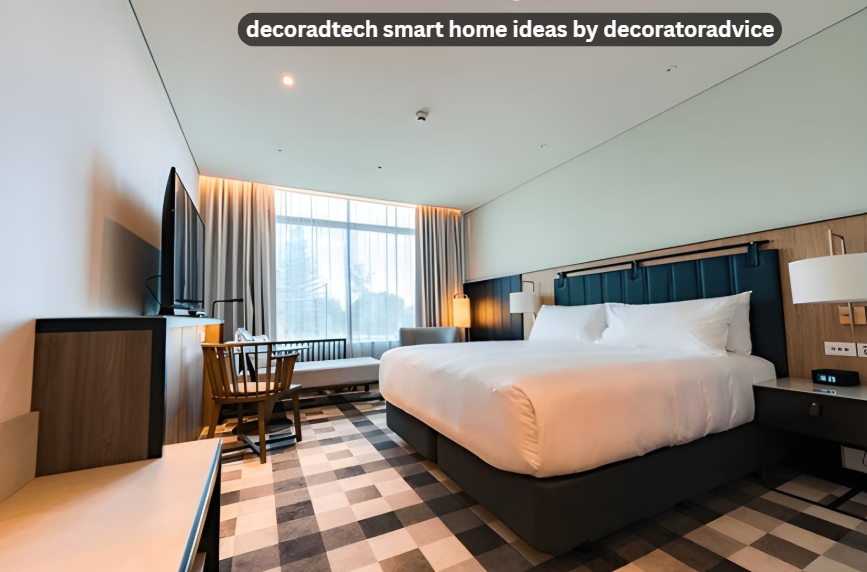
Sticker price is only half the story. What matters more is whether a device gets touched after the first month, which is where a lot of smart home spending quietly goes to waste.
| Device Category | Typical Cost (US) | Reported Weekly Use | Verdict |
| Smart fridge with screen | $2,500-$4,000 | Low after month 3 | Skip unless the fridge itself needs replacing anyway |
| Voice hub ecosystem | $150-$600 | Moderate, task-limited | Fine for a few rooms, not the whole house |
| Subscription lighting suite | $8-$15/month | High short-term, drops fast | Consider a one-time smart bulb setup instead |
| Smart lock (key backup) | $150-$300 | Daily | Strong value, especially for rentals and families |
| Leak/smoke sensors | $25-$60 each | Passive, always-on | High value relative to cost |
How to Vet a Smart Home Purchase Before You Buy
Most buyer’s remorse in this category comes from skipping a few basic questions before checkout. Before adding anything to your cart, ask whether the device solves a problem you actually have, whether it still works without an app or subscription if the company shuts down, and whether it plays nicely with what you already own. Our full https://decoratoradvice.ca/ buying guides walk through brand-specific comparisons if you want more detail before committing to a purchase.
That checklist is the same one we use to build every entry in the decoradtech smart home ideas series, and it’s the fastest way to separate a genuine upgrade from a gadget that looks good in a showroom and gathers dust at home.
Frequently Asked Questions
What smart home tech is overrated in 2026?
Touchscreen smart fridges, full-home voice control ecosystems, and subscription-based ambient lighting suites top the list. Each one demos well but tends to see a sharp drop in actual daily use once the novelty wears off.
Which smart home devices are actually worth buying?
Matter-standard hubs, smart locks with a physical key backup, and water leak or smoke sensors consistently deliver value. They solve specific, recurring problems instead of trying to change how you live.
Do smart home subscriptions ever make sense?
Sometimes, but only if the core feature still works without the subscription. If canceling the plan disables functionality you already paid the hardware for, that’s a rental model, not an upgrade.
Is a smart fridge with a screen worth the extra cost?
Usually not on its own. If you need a new fridge regardless, a screen model can make sense. Buying one purely for the screen rarely pays off once the initial novelty fades.
The Bottom Line
None of this means smart home tech is a scam. It means the industry has gotten good at making minor conveniences look like necessities, and it’s on you to tell the difference before you check out. The pattern holds up year after year: devices that solve one clear problem tend to stick around, and devices sold on spectacle tend to end up ignored by month three.
That’s the whole point behind this decoradtech smart home ideas breakdown. Skip the touchscreen fridge unless you’re replacing the fridge anyway. Skip the subscription lighting unless you’ll actually use the extra features every week. Put that money toward a smart lock, a couple of leak sensors, or a Matter-standard hub instead, and you’ll likely still be using it in 2027, not just in the first month.



6 Comments on “Decoradtech smart home ideas : What’s Overrated in 2026 ”