Most people get stuck choosing interior décor not because they lack taste, but because they’re trying to solve too many problems at once. You’re weighing colour against light, texture against budget, your own preferences against whatever trend Pinterest is pushing this month. It gets overwhelming fast.
Choosing the right interior décor for your home starts with one honest question: how do you actually live in this space? Not how you want to live, or how a showroom suggests you should — but how you actually use the rooms, what bothers you each morning, and what you’d fix if money weren’t the first thought.
This guide cuts through the noise. We’ll cover how to identify your style, how to sequence décor decisions so you don’t paint yourself into a corner, how to balance function with aesthetics in high-traffic rooms, and where decoration tips from professionals differ from what most DIY guides actually tell you.
Start With the Space, Not the Style
Before picking a colour palette or buying a statement chair, measure everything. Not roughly — actually measure. Then note the light: which windows face south, where shadows fall at noon, what the room feels like at 8 pm with just ceiling lights on. Décor that looks stunning in a showroom can flatten a poorly lit room into something forgettable.
Canadian homes face an added variable most design guides ignore: seasonal light. Natural light in January in Calgary or Ottawa behaves completely differently than in July. Warm-toned walls that feel cozy in winter can read muddy by mid-summer. If your space gets under four hours of direct light daily, lean toward cooler whites and reflective surfaces — they hold up across seasons better than warm neutrals.
| Daily Natural Light | Best Wall Tones | Avoid | Why |
| Under 3 hrs | Cool whites, soft greys | Deep saturated colours | Dark rooms shrink further with warm darks |
| 3–6 hrs | Warm off-whites, sage, dusty blue | High-gloss whites | Mid-light shows sheen unevenly |
| 6+ hrs | Nearly any palette | Nothing off limits | Light corrects most colour choices |
Sequence Your Decisions to Avoid Costly Mistakes
Interior design has a natural order that most people skip. They buy the sofa first because it’s exciting, then realize it clashes with the flooring they chose six months later. Professionals work the other way: fixed elements first, accessories last.
| Step | Decision | Why It Comes First |
| 1 | Flooring & wall colour | Hardest to change; everything else anchors to this |
| 2 | Major furniture (sofa, bed, dining table) | Sets scale and traffic flow |
| 3 | Lighting (overhead + task + ambient) | Changes how every other choice reads |
| 4 | Window treatments | Connects wall and floor visually |
| 5 | Rugs & textiles | Adds warmth and zones spaces |
| 6 | Accessories & art | Finish, don’t decorate — these refine, not define |
High-Traffic Rooms Need a Different Approach
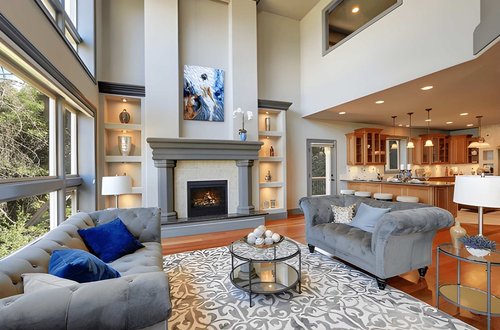
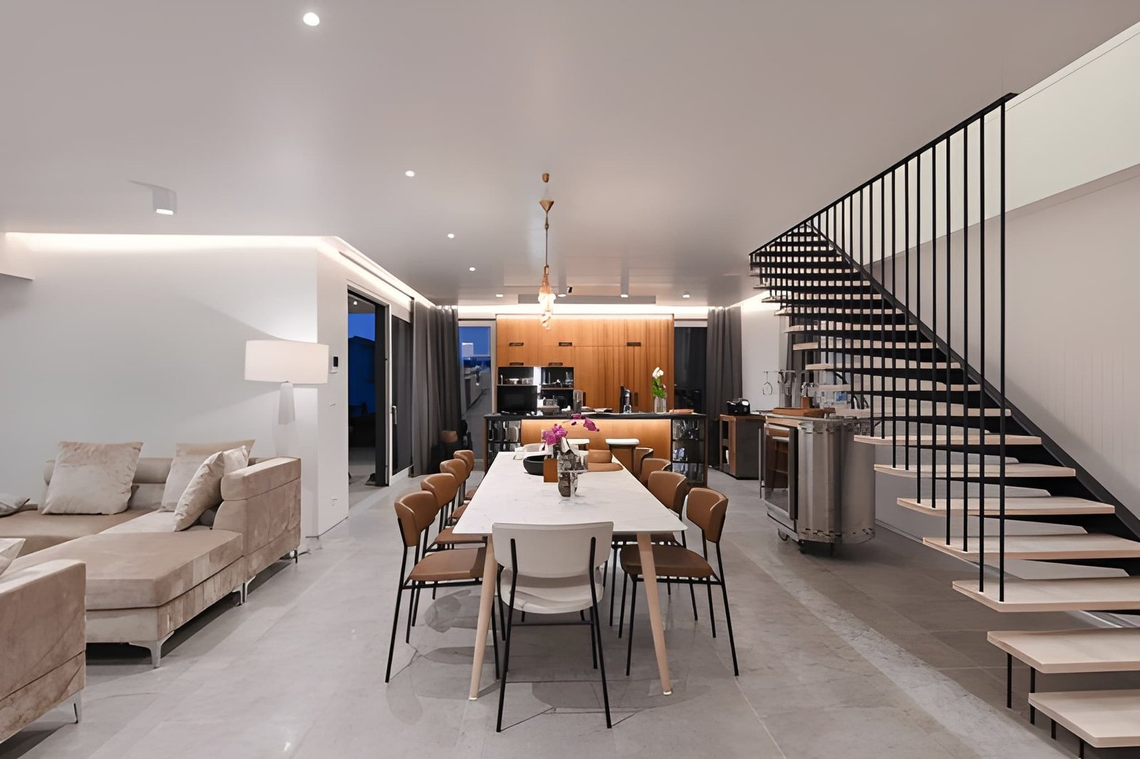
The living room is where most families get this wrong. People focus on how it looks in photos rather than how it holds up in real use. For living room decoration that actually works, durability and layout matter more than aesthetics at the start. Ask: can two people pass each other between the sofa and the coffee table? If not, the room is already failing before a single cushion is picked.
When incorporating smart home ideas — built-in speakers, dimmable lighting systems, motorized blinds — plan the wiring and placement before the walls are finished, not after. Retrofitting is three times the cost.
Practical note for renters: Removable wallpaper, peel-and-stick tiles, and freestanding shelving let you personalize without losing a deposit. Many Canadian landlords now explicitly permit these under standard lease agreements.
Budget Honestly — Then Add 20%
A realistic budget for a single-room refresh in Canada (2026) runs $2,000–$6,000 for mid-range furniture and finishes. That figure surprises people, but it accounts for the costs most guides leave out: delivery fees, paint supplies, hardware, and the replacement item you’ll inevitably buy after the first one doesn’t work.
Whether you’re exploring renovation tips for a full room overhaul or just refreshing a tired space with new textiles, the 20% buffer rule holds. Something will cost more than quoted, arrive damaged, or simply not work in the room once it’s there. Budget for that reality from the start.
When to Hire a Professional
If you’re spending over $15,000 on a room, or if the space involves structural changes, plumbing, or electrical work, a certified interior designer pays for itself. In Canada, look for designers registered with the Association of Registered Interior Designers of Ontario (ARIDO) or the equivalent provincial body. They carry liability insurance, access trade pricing, and catch specification errors before they become expensive problems.
For smaller projects, an hourly consultation ($150–$300/hr in most Canadian cities) is often enough to get a professional floor plan, colour direction, and a sourcing list you can execute yourself.
Common Questions
How do I find my interior décor style?
Collect images of rooms you genuinely like — not trend pieces, but rooms that make you feel at home. Look for patterns in colour, texture, and furniture shapes. That recurring thread is your style. Most people land somewhere between two named styles, and that’s fine.
What’s the right order to decorate a room?
Fixed elements first: wall colour, flooring, major furniture. Then lighting. Then textiles and accessories. This sequence prevents costly backtracking when a late purchase clashes with an early one.
How much should interior décor cost in Canada?
A single-room refresh typically runs $2,000–$6,000 for mid-range finishes. Plan a 20% buffer on top of your stated budget — delivery, hardware, and one replacement purchase are almost guaranteed.
Does interior design affect home resale value?
Yes, but not all choices equally. Neutral walls, updated lighting, and quality flooring consistently return value. Highly personalized choices — bold wallpaper, niche colour palettes — can actually narrow your buyer pool in resale markets.
The One Rule That Ties It All Together
Good interior design is not about following a style guide — it’s about removing the things that bother you and keeping what doesn’t. The rooms that feel most considered are usually the ones where someone made a clear decision about what to leave out. Most spaces have too much in them, not too little.
Start with the space as it is. Fix the light. Sequence the decisions. Budget honestly. And when you’re done, live in it for a month before buying anything else. Rooms settle differently once you’re actually in them. Must visit https://decoratoradvice.ca/ for Interior Decors.