
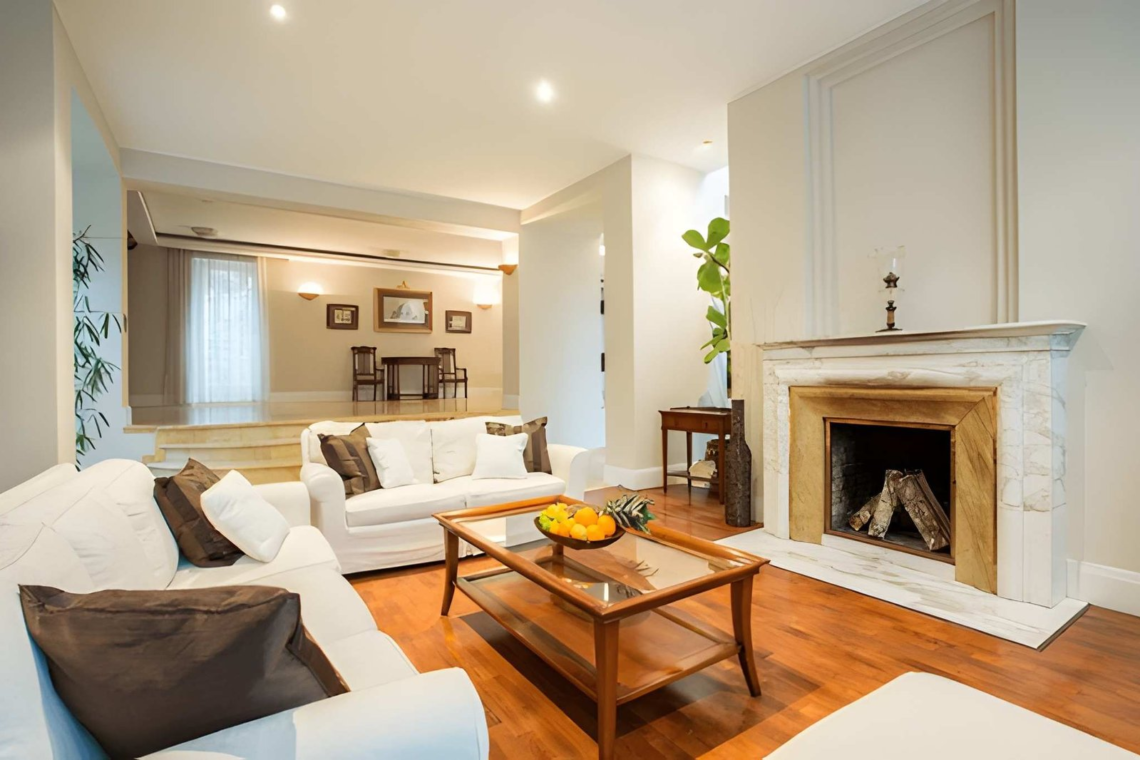
If your living room feels like it belongs to a different decade, you’re not alone. Most American homeowners update their spaces once every seven to ten years — and a lot can change in that time. Modern living room decoration ideas have shifted from the cold, all-white minimalism of the 2010s toward something warmer, more layered, and a lot more livable.
This article covers what’s actually working in 2026: the furniture arrangements that make small rooms feel bigger, the color palettes that designers keep returning to, the materials worth spending on (and the ones that aren’t), and the small decorative moves that pull everything together. Whether you’re starting from scratch or refreshing what you already have, these ideas are grounded in real design principles — not just Pinterest trends that photograph well and fall apart in daily life.
What “Modern” Actually Means in 2026
“Modern” gets misused constantly. It doesn’t mean futuristic, and it doesn’t mean sterile. In contemporary interior design, modern means clean lines, intentional choices, and spaces that serve the people living in them.
The aesthetic has softened considerably. Warm neutrals — terracotta, sage, warm white, linen — have replaced the gray-and-chrome palette that dominated the last decade. Texture is doing a lot of the work: boucle sofas, rattan side tables, wool throws, and matte ceramics create visual interest without visual noise.
Quick reference: What defines a modern living room in 2026
| Element | What’s In | What’s Out |
| Color palette | Warm neutrals, earth tones, muted greens | Cold gray, all-white |
| Seating | Low-profile, curved silhouettes | Boxy, heavy sectionals |
| Materials | Natural wood, linen, rattan, stone | High-gloss plastic, chrome |
| Lighting | Layered (ambient + task + accent) | Single overhead fixture |
| Art | Large-scale, personal, eclectic | Matching print sets |
| Rugs | Natural fibers, vintage-style | Solid wall-to-wall carpet |
The Furniture Layout Question Most People Get Wrong
Before color, before accessories, before anything — layout determines whether a living room works. The most common mistake is pushing all furniture against the walls. It feels intuitive (more floor space, right?) but it actually makes rooms feel smaller and conversations feel distant.
Pull seating into the room. Arrange it around a focal point — a fireplace, a large window, or a media wall — and leave breathing room between pieces. A rug anchors the grouping and tells the eye where the conversation zone begins and ends. Front legs on the rug, back legs off, is the widely accepted rule for most room sizes.
For open-plan spaces, furniture arrangement does the work that walls can’t. A sofa facing away from the kitchen creates a visual boundary without closing anything off. A console table behind the sofa reinforces it.
Modern Living Room Decoration Ideas by Room Size
Not every tip applies to every space. Here’s a breakdown by square footage:
| Room Size | Priority Moves |
| Under 200 sq ft | Light colors on walls, mirrors to expand depth, multifunctional furniture (storage ottomans, nesting tables), vertical storage |
| 200–400 sq ft | Define zones with rugs, mix one large statement piece with smaller supporting ones, avoid oversized sectionals |
| 400+ sq ft | Go bold — a large sofa won’t overpower the space, layer multiple rugs, use floor lamps to fill corners |
In smaller rooms, scale is everything. A sofa that’s six inches too long changes the whole feel of a space. Measure twice; buy once.
Color: The Decisions That Matter Most
Paint is the highest-ROI change you can make to a room. A coat of paint costs under $100 and transforms the entire atmosphere. But color choice is harder than it looks because paint reads differently under different light conditions — a swatch on a hardware store card under fluorescent lighting tells you almost nothing about how it’ll look on your north-facing wall at 6pm.
Paint a large sample (at least 12×12 inches) on the actual wall and observe it at different times of day before committing. The way a color changes from morning to evening is the thing most people miss.
For modern living rooms in 2026, these directions are working:
- Warm whites (Benjamin Moore White Dove, Sherwin-Williams Alabaster) — they photograph well, read as neutral, and don’t feel clinical
- Greige and warm beige — more forgiving than pure white, plays well with wood tones
- Sage and muted olive — the green that replaced the gray; pairs beautifully with natural wood and terracotta accents
- Deep moody tones on one wall — navy, forest green, or terracotta as an accent wall gives a room dimension without committing to a full color
Lighting: The Detail That Separates Good Rooms from Great Ones
Single overhead lighting is the fastest way to make a room feel like a waiting area. Modern living rooms layer three types:
- Ambient — the base layer (recessed lights, a ceiling fixture, or a chandelier)
- Task — for reading, working (floor lamps positioned next to seating)
- Accent — for atmosphere (table lamps, picture lights, LED strips behind the TV or shelving)
Dimmers on overhead lights alone will change the feel of a room more than most furniture upgrades. Install them. They cost around $20 per switch.
The Accessories That Do Real Work
Accessories are where a lot of homeowners overspend on the wrong things. The items that make a measurable visual difference:
Large-scale art. One 36×48″ piece reads better than a gallery wall of smaller frames. If original art is out of budget, large-format photography prints from independent artists are widely available for $50–$200.
A quality throw. A wool or chunky-knit throw draped casually over a sofa arm adds texture and warmth. It’s one of those things that photographs well and also feels good in real life.
Plants that survive indoors. Pothos, snake plants, and monstera thrive in most light conditions and add life to a room in a way no decorative object can. For practical home decor tips on plant placement and care by room.
Cohesive but not matching. A common trap is buying a “living room set” where everything matches perfectly. Real rooms feel collected, not assembled. Mix wood tones (stay within the same warm or cool family), mix textures, and vary the height of objects on shelves and tables.
A Practical Renovation Sequence
If you’re doing more than a light refresh, order matters. Working in the wrong sequence costs time and money.
| Step | Task | Why This Order |
| 1 | Flooring or rug | Everything sits on top of it |
| 2 | Paint | Done before furniture moves in |
| 3 | Lighting | Electrician work before walls are dressed |
| 4 | Large furniture | Sofa, media unit, coffee table |
| 5 | Window treatments | After furniture placement is confirmed |
| 6 | Accessories and art | Last, informed by what the room needs |
For more structured renovation tips on sequencing a room refresh without disrupting your entire home, the guides at https://decoratoradvice.ca/ walk through this by room type.
What Makes Modern Living Room Decoration Ideas Stick
The rooms that hold up — the ones that still look good five years later — share a few things. They prioritize quality in the pieces you touch daily (sofa, rug, lighting). They leave room to breathe, both physically and visually. And they reflect the people who live in them rather than a showroom aesthetic.
Modern living room decoration ideas in 2026 aren’t about chasing what’s on Instagram. They’re about making deliberate choices that serve how you actually live — then layering in character over time. A room built that way doesn’t need to be redone every few years. It just gets better.
For ongoing decoration tips, garden tips, and home ideas across every room type, we publish regularly updated guides written for American homeowners navigating real spaces and real budgets. Their partners section also connects readers with vetted local professionals for projects that go beyond DIY.


3 Comments on “Modern Living Room Decoration Ideas from decoratoradvice in 2026”