
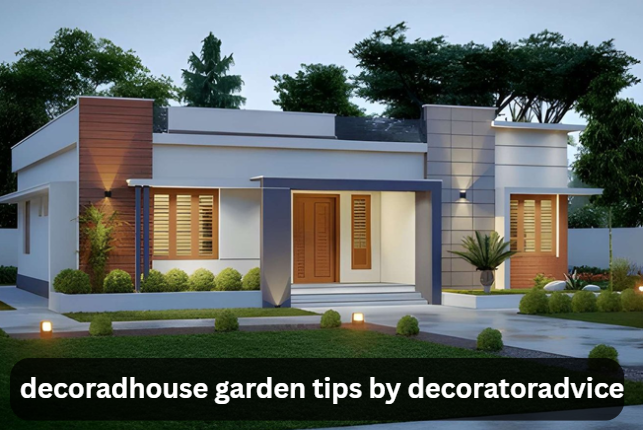
Most garden advice reads like it was written by someone who has never pulled a weed. It tells you to “create visual interest” without telling you which plant goes where, or what to do when your yard gets four hours of sun on a good day.
These decoradhouse garden tips are different. They come from actual design thinking — the kind that treats your outdoor space the way an interior designer treats a living room. Not as a patch of dirt with potential, but as a real room with structure, proportion, and purpose. Whether you’re working with a narrow side yard in Charlotte or a half-acre in the Pacific Northwest, the principles below apply. And unlike the generic lists you’ll find elsewhere, this guide tells you the specific decisions that actually move the needle.
Here’s what you’ll find: layout and height strategy, color selection that holds up through the season, edible garden planning for beginners, lighting on a budget, and a maintenance rhythm that doesn’t require a full weekend every month.
What DecoradHouse Garden Tips Actually Cover
Before anything else, it helps to understand the design framework behind decoradhouse garden tips. The approach borrows from interior design: you plan for layers, anchor points, and a mood — then fill in the details.
The three-layer rule. Every well-designed garden bed uses height in three tiers. Tall structural plants (ornamental grasses, columnar evergreens, or climbing vines on a trellis) go at the back. Mid-height flowering perennials fill the middle. Low, cascading ground cover or trailing blooms sit up front. This isn’t just aesthetic — it ensures every plant gets adequate light and the bed looks full from spring through fall.
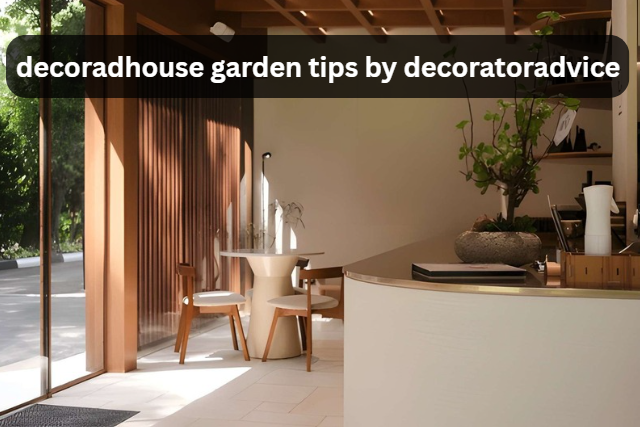
Anchor before you plant. Pick one focal point per zone before buying a single plant. That might be a large ceramic container, a birdbath, a small bench, or a compact water feature. Everything you plant should visually support that anchor, not compete with it.
| Garden Zone | Recommended Anchor | Supporting Plants |
| Sunny front yard | Large ornamental urn | Lavender, Russian sage, ornamental grasses |
| Shaded side yard | Stone birdbath | Hostas, astilbe, Japanese forest grass |
| Small patio | Raised cedar planter box | Herbs, trailing petunias, compact tomatoes |
| Back garden bed | Trellis with climbing rose | Salvia, coneflower, catmint |
Color Strategy That Lasts the Season
One of the most common mistakes US homeowners make is buying plants in bloom at the nursery without thinking about what happens in July. A bed full of spring tulips looks stunning in April and bare by June.
The decoratoradvice com approach to color planning focuses on a two-to-three color palette that carries across at least three blooming seasons. A reliable combo for most USDA zones 5 through 9: deep purple (salvia, lavender, allium) plus soft white (shasta daisies, white coneflower, phlox) plus one warm accent (coral or blush), rather than a full range of rainbow colors that reads as chaotic.
| Season | Palette Anchors | Easy Picks for US Gardens |
| Spring | White + soft pink | Bleeding heart, white daffodil, pink tulip |
| Summer | Purple + coral | Salvia, coneflower, black-eyed Susan |
| Fall | Gold + deep red | Rudbeckia, sedum, ornamental kale |
| Winter | Evergreen structure | Boxwood, inkberry holly, ornamental grasses |
Foliage matters as much as flowers. A plant with interesting leaves — the silvery texture of lamb’s ear, the deep burgundy of heuchera, or the striped blades of variegated lilyturf — carries a bed when nothing is in bloom. Plan for at least 40% of your garden to be foliage-driven.
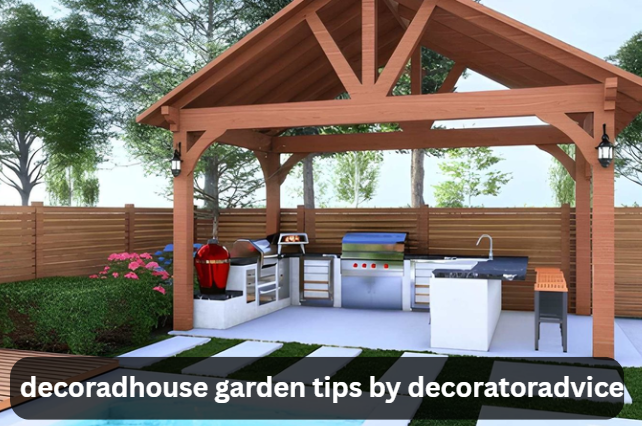
Edible Gardens: decoradhouse garden tips for Beginners
A productive edible garden in the US doesn’t require a lot of space. It requires the right location and the right crops. According to decoration tips, the most common beginner mistake is planting too many varieties in year one. Focus narrows success.
Site requirements: At least 6 hours of direct sun daily. A flat or gently sloped area with good drainage. Soil amended with 2 to 3 inches of compost worked in before planting.
Start with high-yield, low-effort crops:
| Crop | Days to Harvest | Best For |
| Radishes | 22–28 days | Confidence-building, fills gaps |
| Bush beans | 50–55 days | High yield, no staking needed |
| Romaine lettuce | 65–70 days | Cut-and-come-again harvest |
| Cherry tomatoes | 60–65 days | Long season, great for pots |
| Basil | 25–30 days | Pairs with tomatoes, deters pests |
| Zucchini | 50–55 days | Extremely productive per plant |
Movable containers work well for renters or gardeners with inconsistent sun. A half-barrel or a 15-gallon fabric pot gives most vegetables enough root depth, and you can reposition as the season shifts.
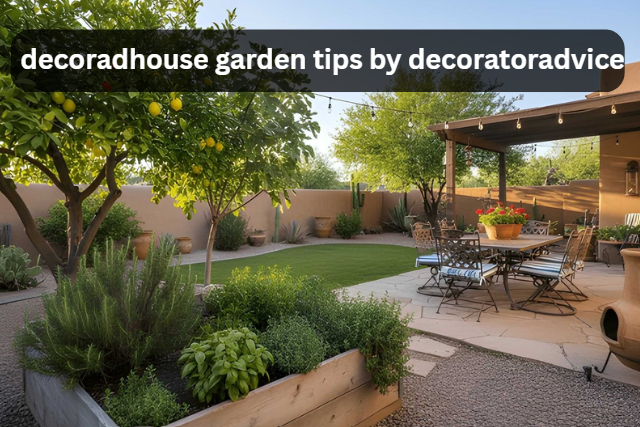
Lighting, Seating, and the Finishing Details
Here’s something the big garden blogs skip: the difference between a backyard that looks good in photos and one that actually gets used at night comes down almost entirely to lighting.
Solar-powered path lights have improved significantly. The better ones now run 8 to 10 hours on a full charge and cast warm, amber light rather than the harsh blue-white glow of earlier models. Place them at path edges, not pointed up into the garden bed — you want to light the walking surface, not spotlight the plants.
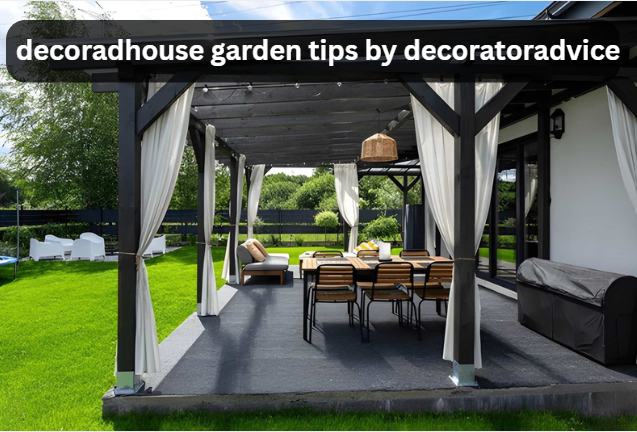
String lights work well for covered patios and pergolas. Wrap them along the top structure rather than draping them between posts, which reads as temporary rather than designed.
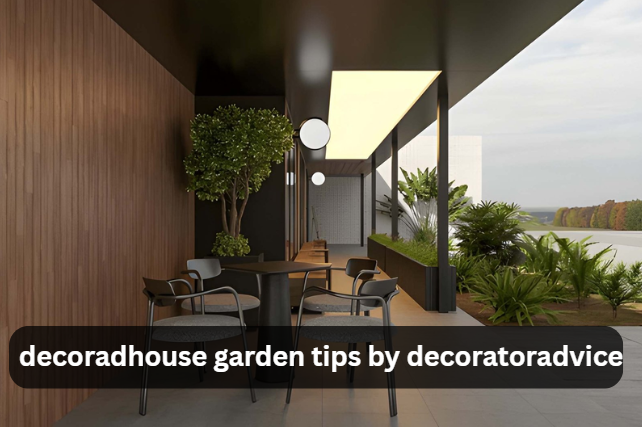
For seating: Proportion matters more than price. A small bistro table with two chairs almost always looks better than a large sectional that crowds a modest patio. Leave at least 36 inches of clearance around any seating area for comfortable movement. And if you want the space to feel like a room — add one rug, even outdoors. Weather-resistant polypropylene rugs hold up through most US climates and anchor the furniture visually.
Seasonal Maintenance: A Realistic Schedule
A sustainable maintenance rhythm looks like this:
| Season | Priority Tasks | Time Needed |
| Early Spring | Soil amend, prune dead wood, divide overcrowded perennials | 4–6 hours total |
| Late Spring | Plant annuals after last frost, mulch 2–3 inches deep | 3–4 hours |
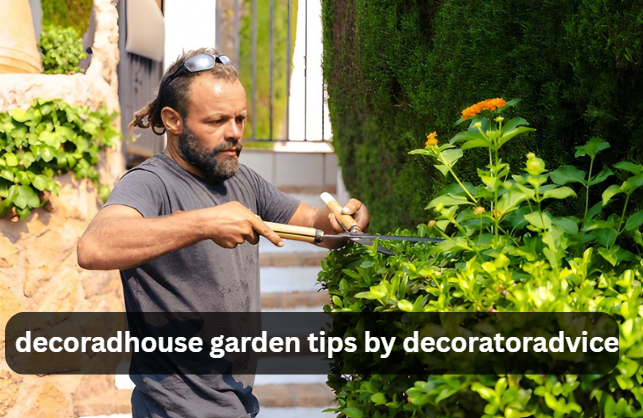
| Summer | Water deeply 2x/week, deadhead spent blooms, stake tall plants | 30 min/week |
| Fall | Cut back perennials, plant spring bulbs, add compost | 3–5 hours total |
| Winter | Protect tender plants, clean tools, plan next year’s layout | 1–2 hours |
Mulch is the most underused tool in residential gardening. Two to three inches of shredded bark or wood chip mulch reduces watering frequency by roughly 30%, suppresses most weed germination, and moderates soil temperature through summer and winter both.
Frequently Asked Questions
What are the most important decoradhouse garden tips for small yards?
Layer heights to create depth, pick one strong focal point per zone, and stick to a two-color palette. Small yards read as chaotic when too many colors or plant types compete. Simplicity makes a small space feel intentional, not cramped.
How do I start an edible garden for the first time?
Find your sunniest flat spot, amend the soil with compost, and plant three to four easy crops in year one. Radishes, cherry tomatoes, bush beans, and basil together cover a full season with minimal maintenance.
When is the best time to redesign a garden bed in the US?
Early fall is ideal — soil is warm, plants establish root systems before winter, and you can see the full structure of existing plantings before spring growth obscures them.
What’s the biggest mistake homeowners make in garden design?
Planting without a structure plan. Most people buy plants they like and place them wherever there’s space. The result is a collection of plants rather than a garden. Start with the layout and anchor points, then select plants to fill roles.


2 Comments on “DecoradHouse Garden Tips | Proven Outdoor Design Ideas”