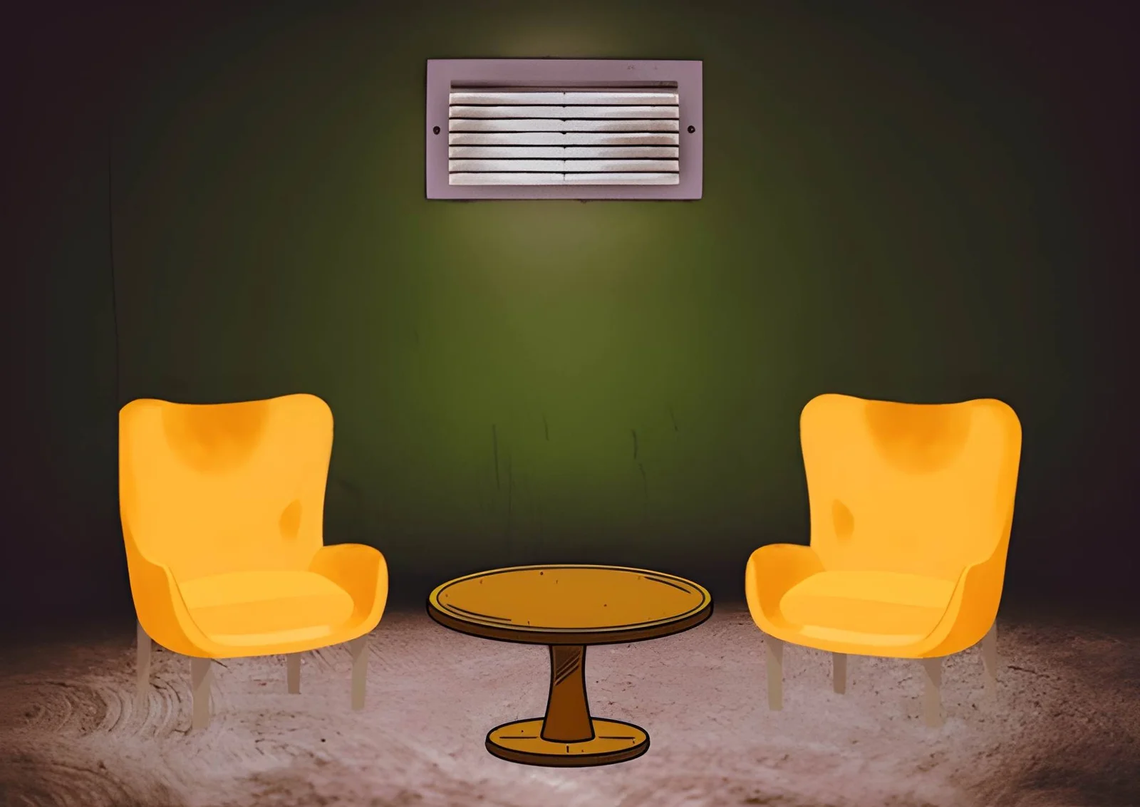
You finally find the perfect spot for the new sofa. It fits, it faces the window, and by January it is the reason one end of the room feels like a cellar while your feet roast in the other. Heating vents do not care about your floor plan. They push warm air along a path, and a large piece of furniture parked in front of one can redirect it, trap it, or cut it off completely. The result is cold rooms, higher bills, and a furnace that works harder than it should. If you want to know how to plan furniture placement around heating vents, you do not need to give up your layout. You need to understand where the air goes. This guide explains how to find your vent type, how much space each one needs, and how to adjust your design. You will find a quick answer, two tables, a five-step layout test, and a short FAQ.
How Do You Plan Furniture Placement Around Heating Vents?
To plan furniture placement around heating vents, locate every supply and return vent, keep a clear zone in front of each, and avoid placing large furniture directly over them. Use low pieces, open-leg furniture, or vent deflectors where space is tight, and keep wood and upholstery away from direct heat.
What Type of Vent or Heater Do You Have?
Different heat sources need different clearances. Check your manual for the exact figure.
| Heat Source | What It Does | Placement Guidance |
|---|---|---|
| Floor supply register | Pushes warm air upward | Keep the area above it open, or use a deflector |
| Wall or ceiling register | Throws air across the room | Keep tall furniture out of the airflow path |
| Return vent | Pulls air back to the system | Never block it, because blocked returns strain the system |
| Baseboard heater | Warms by convection | Leave space for air to rise and avoid fabric contact |
| Radiator | Radiates heat | Keep furniture clear, and follow the manufacturer’s distance |
| Portable space heater | Concentrated heat source | Safety bodies commonly advise at least 3 feet of clearance |
Which Furniture Is Safest Near a Vent?
| Furniture Type | Near a Vent? | Reason |
|---|---|---|
| Solid wood piece | Avoid close contact | Dry air can cause cracking or warping |
| Leather or fabric sofa | Keep some distance | Heat can dry and fade the material |
| Open-leg furniture | Usually fine | Air can pass underneath |
| Low media console | Fine beside a wall vent | Does not block the airflow path |
| Large bookcase | Poor choice | Blocks air and traps heat behind it |
| Plants | Keep away | Hot, dry air stresses most plants |
What Is the Airflow Trace Test?
This quick check shows where heat actually moves before you commit to a layout.
- Turn the heat on and wait 10 minutes.
- Hold a piece of tissue or a thin ribbon near each vent. Watch which way it moves.
- Mark the airflow path with painter’s tape on the floor, from the vent outward.
- Place furniture outside the taped path where possible.
- Recheck the room after a day. Cold spots mean something is still redirecting the air.
How Do You Fix a Layout That Cannot Move?
Some rooms have vents in awkward places. These fixes help:
- Install a vent deflector to guide air around or over a piece of furniture.
- Raise a sofa or cabinet on legs or risers so air can flow beneath it.
- Swap a bulky piece for a lower or slimmer one.
- Keep at least a hand’s width of open space around a vent when you cannot do more.
- Ask an HVAC technician about relocating or extending a register if the room is a long-term problem.
Frequently Asked Questions
Can I put furniture over a floor vent?
You can, but it blocks airflow and can overheat the piece. Use a deflector or leave the area open.
Is it bad to cover a return vent?
Yes. A blocked return limits the air the system can pull in and may reduce comfort and efficiency.
How far should furniture sit from a radiator or baseboard heater?
Follow the manufacturer’s guidance. When none is available, leave generous clearance and keep fabric from touching the heater.
Bottom Line
Furniture should work with your heating, not against it. Find every vent, trace the airflow, keep supply and return paths open, and protect wood and upholstery from direct heat. If a room still feels uneven, a deflector or a small layout change usually solves it.
Must visit https://decoratoradvice.ca/ for heating vent ideas.