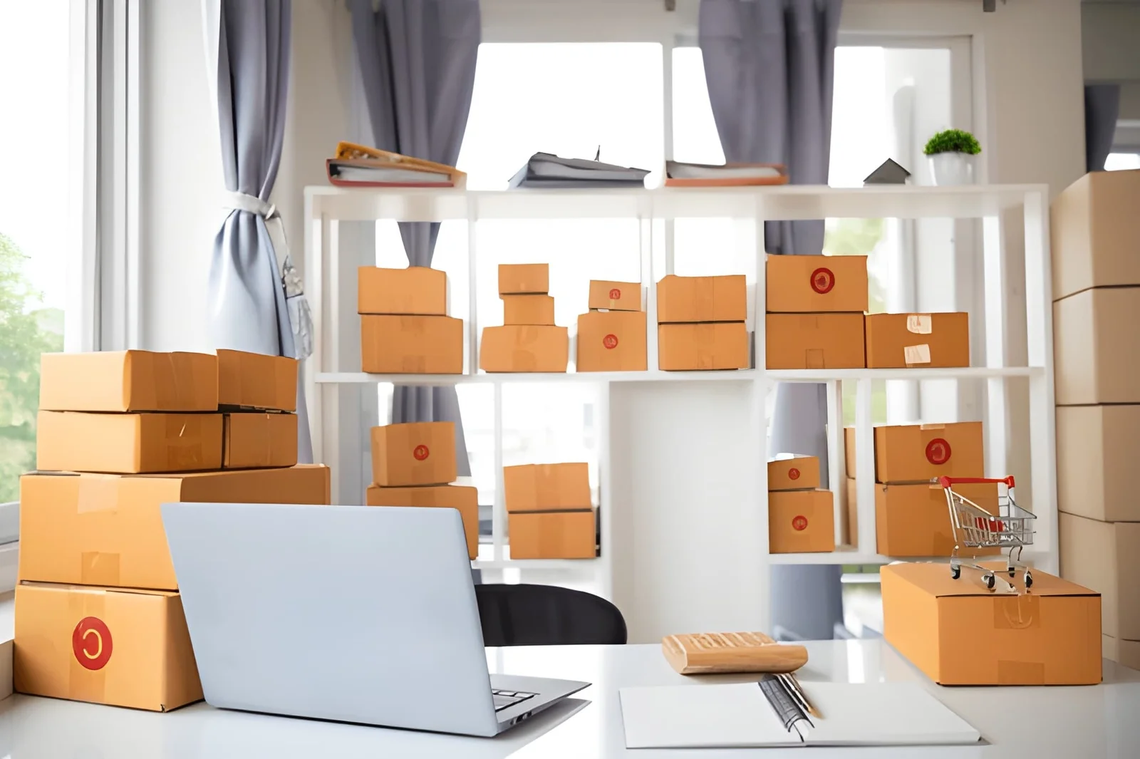
The doorstep is stacked with three boxes. One is soaked from last night’s rain, one blocks the door, and one holds a gift you wanted to keep secret. Inside, the hallway has a growing pile of flattened cardboard, and nobody remembers which parcel belongs to whom. Frequent online deliveries have changed what a home needs to do, yet most layouts were drawn for a time when the mail was a few envelopes. So how do you design a home around frequent online deliveries? Think of every parcel as traveling a path through your home, and design each stage of that path on purpose. This guide breaks the path into five stages. You will find a quick answer, a stage-by-stage table, a comparison of drop-off options, a table for different home types, a simple planning routine, and a short FAQ. A tape measure and a notepad are all you need.
How Do You Design a Home Around Frequent Online Deliveries?
Design for the full parcel path: where the package arrives, where it waits, where you open it, where you sort it, and where the packaging goes. Give each stage a defined spot near the entrance, protect parcels from weather and theft, and keep the route clear of fire exits and walkways.
What Is the Five-Stage Parcel Path?
| Stage | What Happens | Design Solution |
|---|---|---|
| Drop | Courier leaves the parcel | Covered area, clear house number, delivery instructions |
| Hold | Parcel waits for you | Lockable box, porch cabinet, or neighbor or locker option |
| Open | You unpack | A small table or bench near the door |
| Sort | Items go to rooms | A tray or shelf for items awaiting a home |
| Dispose | Packaging leaves | Flat-pack storage, a recycling bin near the entry |
If one stage is missing, the pile moves to the next stage, usually the hallway floor.
Which Drop-Off Option Fits Your Home?
| Option | Best For | Watch Out For |
|---|---|---|
| Covered porch | Houses with shelter | Visibility from the street |
| Lockable parcel box | Frequent small and medium parcels | Size limits and cost |
| Delivery to a neighbor or relative | Daytime absences | Trust and communication |
| Pickup locker or collection point | Apartments and busy households | Travel time |
| Reception or concierge | Managed buildings | Opening hours |
| Garage drop with access code | Larger items | Security of the code |
Choose by parcel size and by who is home during the day.
How Does Home Type Change the Plan?
| Home Type | Main Challenge | Practical Idea |
|---|---|---|
| House with a front yard | Weather and visibility | A covered, lockable box beside the door |
| Apartment | Corridors and shared spaces | Use a locker or building service, keep the corridor clear |
| Shared building | Missing or misdelivered parcels | Clear labels and a shared pickup spot |
| Small space | No room to hold boxes | A wall shelf and a fold-down table by the entry |
| Remote or rural home | Unreliable access | Roadside box or a local pickup point |
How Do You Plan Your Delivery Zone?
- Count your deliveries for two weeks. Note the size, frequency, and time of day.
- Choose the entry spot. Pick a location near the door but out of the walking path.
- Measure the largest regular parcel. Size the storage space for it, with some margin.
- Add a landing surface. A shelf or bench at about waist height saves your back when you open boxes.
- Give packaging a home. A bin or a flat storage slot prevents cardboard piles.
- Label the system. Mark delivery instructions clearly in the courier app and at the door.
- Review monthly. Adjust when habits change.
How Do You Reduce Theft and Weather Damage?
Courier apps often let you add delivery instructions, choose a safe place, or reroute parcels. Many services also offer time windows or tracking alerts, so you can collect parcels soon after they arrive. A camera or doorbell can record activity, but check privacy rules before pointing it at public areas. Keep rain-sensitive items off the ground and out of direct sun.
What Should You Avoid?
Do not block stairs, hallways, or emergency exits with parcels. Do not leave access codes where strangers can see them. Do not store valuables on the porch when you will be away for days.
Frequently Asked Questions
Where is the best place for a parcel box?
Near the entrance, easy for the courier to find, and out of the walking path.
Do I need a separate room for deliveries?
No. A small zone near the entry, such as a shelf and a bin, is enough for most homes.
Is a lockable box worth it?
It helps when you receive parcels often and are often out. Check the size limit before you buy.
Bottom Line
A home built for deliveries treats each parcel as a short journey with five stops. Plan the drop, hold, open, sort, and dispose stages, choose a drop-off option that fits your home, and keep exits clear. A small, labeled zone beats a hallway of boxes.
Must visit https://decoratoradvice.ca/ for designing a home for online deliveries.