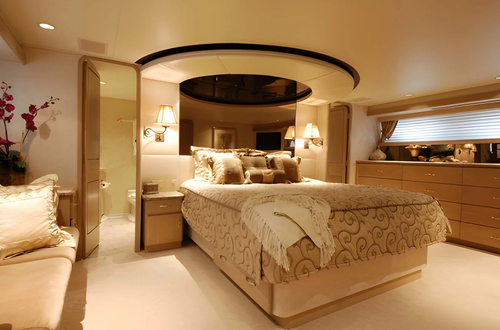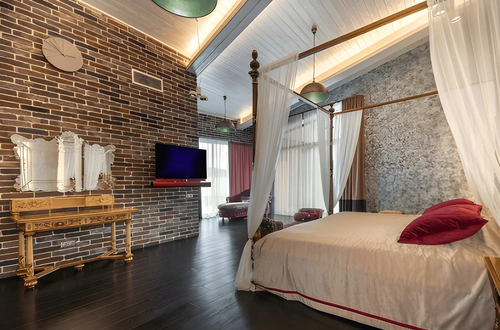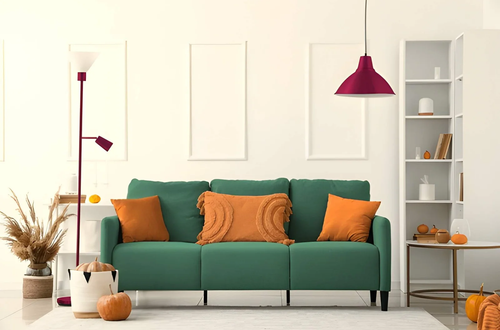
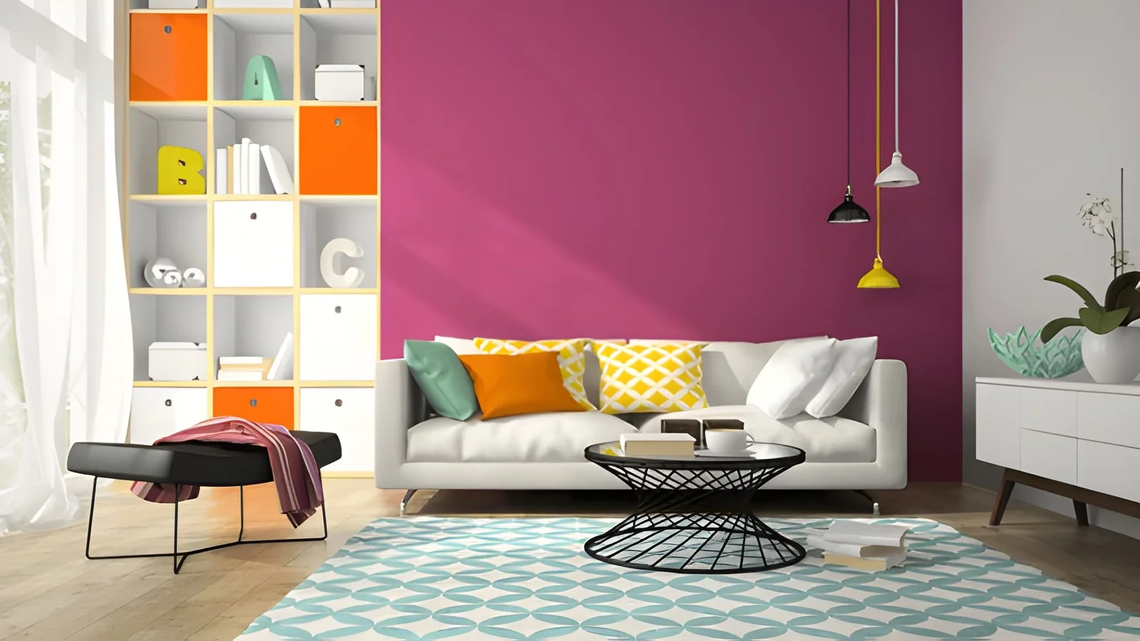
A velvet sofa beside a battered farmhouse table. A sleek glass console next to a carved chair from a flea market. On paper, neither pairing should work. In a real room, both can feel more alive than a matching showroom set. So, can unusual furniture combinations create a unique atmosphere? Yes, but only when the mix follows a few quiet rules.
Matching sets are safe, and that is the problem. They give a room a polished look but rarely a personality. Unusual furniture combinations add tension, history, and surprise, which are the things guests remember. This article explains why mixed pieces change how a room feels, how to choose pairings that look intentional, and which mistakes turn a bold mix into a muddle. You will find a quick answer, a table of pairings that work, a simple balance formula, a mood guide, and a short FAQ. It suits small apartments and large homes alike, and it needs no special budget. Start with the quick answer, then use the sections that fit your room.
Can Unusual Furniture Combinations Create a Unique Atmosphere?
Yes. Unusual furniture combinations create a unique atmosphere by mixing eras, materials, or shapes so the room looks collected rather than bought in one trip. The mix works when pieces share one link, such as color, finish, or scale. Without a shared link, contrast reads as chaos instead of character.
| Pairing | Why it works | Mood |
|---|---|---|
| Velvet sofa, rustic wood table | Soft against rough | Cozy, lived-in |
| Glass console, antique chair | New against old | Gallery-like |
| Metal stool, rattan chair | Cool against warm | Relaxed loft |
| Curved sofa, angular side table | Round against sharp | Dynamic |
| Ornate mirror, plain console | Busy against quiet | Elegant focus |
Why Mixed Pieces Change How a Room Feels
A matched set tells guests where you shopped. A mixed room tells them who lives there. Contrast also keeps the eye moving, so people notice more of the space. Designers call this visual tension: enough difference to interest the eye, enough repetition to calm it. Mixed rooms also age better. One trend-driven set dates the whole room at once, while collected pieces can be replaced one at a time.
The 3-Link Rule for Unusual Furniture Combinations
Before committing to a pairing, check that the two pieces share at least one link.
| Link | What to check | Example |
|---|---|---|
| Color family | Same warm or cool undertone | Walnut table, caramel leather chair |
| Finish | Repeated metal or wood tone | Brass lamp, brass chair feet |
| Scale | Similar visual weight | Chunky sofa, thick-legged table |
If you want pieces to experiment with, you can check out [anchor text] before buying anything new.
Three Roles for Every Seating Area
Give each zone three roles so the mix feels planned:
- Anchor. The largest piece, usually the most neutral.
- Contrast. A piece from a different era, material, or shape.
- Bridge. A smaller item, such as a rug, lamp, or cushion, that repeats a color from both.
Add the contrast piece last and live with it for a few days. If it still bothers you, swap it. That trial period costs nothing and prevents most regrets.
Match the Mood to the Mix
Unusual furniture combinations steer the atmosphere, so pick the feeling first.
| Atmosphere | Combination | Keep consistent |
|---|---|---|
| Calm and soft | Linen sofa, aged wood, ceramic | One color family |
| Bold and playful | Bright chair, plain sofa, ornate mirror | Neutral walls |
| Moody and dramatic | Dark velvet, brass, dark wood | Warm lighting |
| Fresh and airy | Rattan, white oak, glass | Light floors |
Mistakes That Turn a Mix into a Muddle
The most common mistake is too many statement pieces. Limit each zone to one or two. Scale causes the next problem: a huge sofa beside a spindly table looks like an error, not a choice. The third is no repetition. If nothing repeats a color, finish, or shape, the room has no thread to follow. Small rooms need extra care, so keep pieces slim and let one bold item do the talking.
FAQ
How many styles can I mix in one room?
Two or three. More than that needs a strong color palette to hold it together.
Do unusual furniture combinations work in small rooms?
Yes. Choose compact pieces and use one bold item as the focal point.
Is mixing furniture expensive?
No. Secondhand shops and market finds often cost less than a matching set.
Do wood tones have to match?
Not exactly, but keep undertones consistent, either warm or cool.
Bottom Line
Unusual furniture combinations can create a unique atmosphere when each pairing shares a color, finish, or scale. Assign anchor, contrast, and bridge roles, limit statement pieces, and test new additions for a few days. The result is a room that feels collected, personal, and hard to copy.
For unusual furniture combinations must visit https://decoratoradvice.ca/