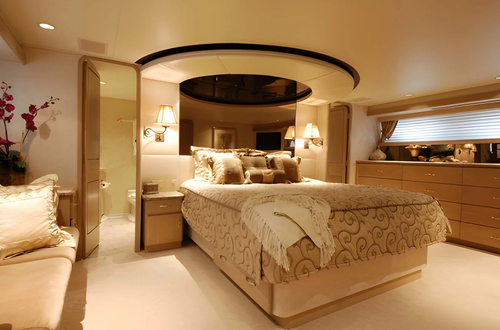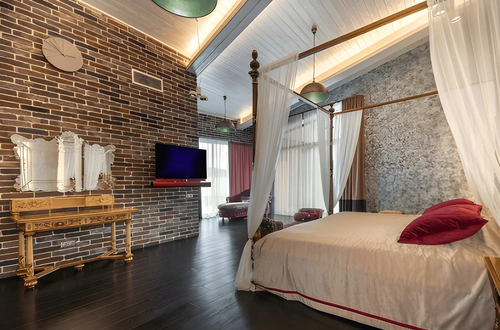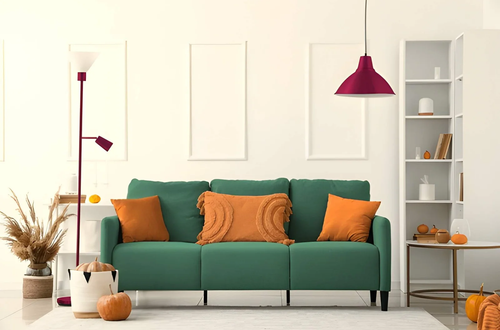
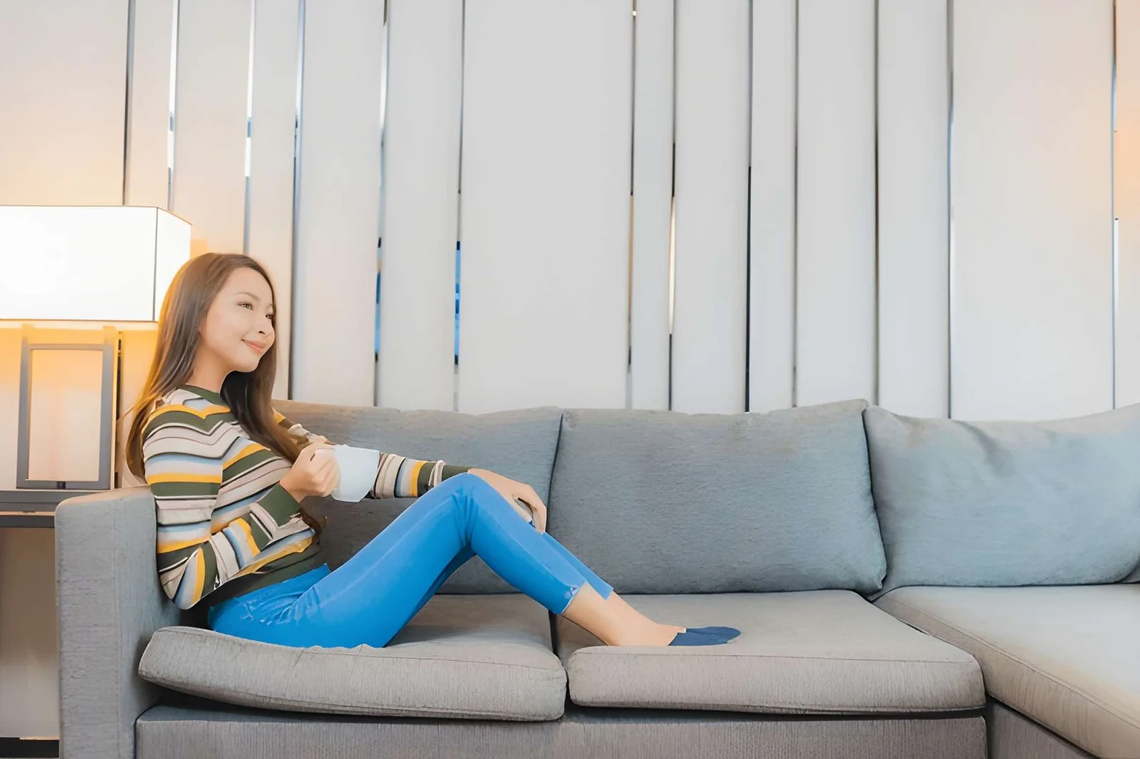
There’s a version of a living room that exists primarily for photographs — the space that looks put-together on Instagram, reads as designed in person, and consistently fails to produce the feeling the name suggests. Living rooms in the US are named for living. The irony is how many of them don’t particularly support it — where sitting down for the evening feels more like maintaining a display than actually relaxing.
If you’ve ever noticed that you gravitate to the kitchen, the bedroom, or even a specific corner of a room rather than the living room itself, it’s worth asking why. Not as a personal failure of design taste, but as a diagnostic question. Spaces that don’t get used the way they’re intended to be used are telling you something specific about what isn’t working.
The qualities that make a living room feel genuinely relaxing — as opposed to simply looking good — are specific, learnable, and achievable without replacing furniture or starting from scratch. They involve lighting, acoustic environment, texture, layout, and a handful of psychological principles that environmental research has documented consistently. This article covers all of them and tells you exactly what to change.
Why Living Rooms That Look Good Often Don’t Feel Relaxing
The gap between visual attractiveness and physical comfort in a living room comes from a mismatch between how the space is designed and what the human nervous system actually needs to downregulate.
Relaxation isn’t just the absence of stimulation. It’s a specific physiological state — reduced cortisol, lowered heart rate, shifted attention from active to restorative mode — that certain environmental conditions support and others work against. A living room designed primarily for visual appeal without accounting for these conditions produces a space you can admire without being able to settle into.
| Environmental Condition | Effect on Nervous System | How It Applies to Living Rooms |
|---|---|---|
| Warm, low-contrast lighting | Promotes parasympathetic activity, reduces alertness | Overhead cool-white lighting keeps nervous system active |
| Acoustic softness (sound absorption) | Reduces background stress from reflected noise | Hard surfaces create echo that maintains alertness |
| Visual complexity without demand | Allows attention to rest without boredom | Too much competing visual information prevents mental rest |
| Thermal comfort | Discomfort in either direction maintains alertness | Temperature slightly below comfort zone is a common issue |
| Physical support (ergonomic seating) | Allows muscles to release tension | Furniture that looks good but doesn’t support posture creates physical tension |
| Sense of enclosure | Triggers psychological safety response | Open, exposed seating arrangements feel less restful than partially enclosed ones |
The Specific Reasons Your Living Room Might Not Feel Relaxing
The Lighting Is Working Against Relaxation
This is the most common and most correctable reason a living room doesn’t produce the intended feeling. The human circadian system responds to light color and intensity — bright, cool-white light signals daytime and maintains a neurologically alert state. Dim, warm light signals evening and promotes the shift toward rest.
A living room with cool-white overhead lighting running at full brightness at 9pm is an environment that physiologically resists relaxation regardless of how comfortable the furniture is.
The evidence: a 2019 study in the Journal of Physiological Anthropology found that warm, dim lighting environments consistently produced lower salivary cortisol and higher subjective relaxation ratings than cool, bright environments in the same participants. The room didn’t change; the lighting did.
The fix in a living room is a three-part sequence: warm the bulbs (2700K throughout), add a floor lamp or table lamp that creates a pool of warm light rather than overhead saturation, and install a dimmer so the overhead can be reduced to 20 to 30% in the evening. These three changes cost under $100 combined and produce an immediately different physiological experience in the same space.
The Acoustic Environment Is Creating Background Stress
Hard-surface living rooms — concrete or hardwood floors with no rug, painted walls, minimal soft furnishings — have high reverberation times. Sound bounces and lingers rather than being absorbed. This creates a low-level acoustic stress that most people never consciously identify but feel as a persistent background alertness that makes settling in difficult.
Environmental noise researchers have documented that even low-level, continuous acoustic stimulation elevates cortisol and prevents the full downregulation that restorative rest requires. A living room that echoes is literally keeping you more alert than one that absorbs sound.
The solution isn’t soundproofing — it’s adding absorptive surfaces. A correctly sized area rug (the most efficient single acoustic intervention available), heavy curtains, upholstered furniture, bookshelves filled with books, and throw pillows all contribute meaningfully to acoustic softness. Each addition reduces reverberation and moves the room’s acoustic environment toward one that the nervous system can actually rest in.
The Seating Doesn’t Actually Support the Body
Furniture that looks sophisticated often doesn’t support relaxation physiologically. A firm, upright sofa with shallow seat depth may photograph beautifully and feel uncomfortable within twenty minutes of sitting. The body’s muscles have to maintain constant engagement to stay seated — which is the opposite of what relaxation requires.
The qualities that make living room seating genuinely relaxing rather than merely attractive:
Seat depth sufficient to fully support the thighs without the edge cutting into the back of the knees. Seat height that allows feet to rest flat on the floor or on a footrest. Back support that contacts the lumbar spine rather than requiring the sitter to lean forward to reach it. Armrests at a height that allows shoulders to drop rather than shrug.
| Seating Quality | Relaxation-Positive | Relaxation-Negative |
|---|---|---|
| Seat depth | 20–24 inches — supports thighs fully | Under 18 inches — cuts off circulation |
| Seat height | 17–19 inches — feet flat on floor | Over 20 inches — feet dangle, hip flexors tighten |
| Back support | Lumbar contact at 8–12 inches from seat | Gap between back and lumbar — requires active holding |
| Cushion firmness | Medium — supports without rigidity | Too firm (no give) or too soft (no support) |
| Armrest height | Allows shoulders to drop naturally | Too high (shrugging) or absent |
The Layout Creates Exposure Rather Than Enclosure
Environmental psychology research on what makes spaces feel safe and restorative identifies a consistent preference for “prospect and refuge” environments — where the sitter has a view (prospect) while feeling enclosed or sheltered (refuge). This is an evolutionary response; humans find it easier to relax when they don’t feel exposed from behind.
Most living room sofa arrangements — floating in the center of a room, facing a television, with open space on all sides — eliminate the refuge component entirely. The back of the sofa faces open room, which at a subconscious level registers as exposure and maintains a low-level vigilance that makes full relaxation difficult.
Simple interventions that increase the sense of enclosure: positioning the sofa against or near a wall, adding a sofa console table that creates a visual back boundary when the wall placement isn’t possible, using a pendant or ceiling fixture centered over the seating group to create a defined zone, or adding an area rug that clearly delineates the seating area as a space within the larger space.
The Living Room Changes That Produce the Most Relaxation Improvement
| Change | Relaxation Mechanism | Cost | Implementation |
|---|---|---|---|
| Warm bulbs (2700K) throughout | Circadian signal — warm light promotes rest | $15–$40 | Replace existing bulbs |
| Floor lamp in dark corner | Creates warm light pool, reduces overhead dominance | $45–$120 | Purchase and position |
| Dimmer on overhead circuit | Allows light reduction for evening | $15–$40 | 30-minute installation |
| Correctly sized area rug | Acoustic absorption + seating zone enclosure | $80–$250 | Purchase and place |
| Heavy curtains | Acoustic absorption + visual enclosure | $60–$150 | Replace lightweight alternatives |
| Sofa repositioned nearer wall | Creates refuge — reduces exposure feeling | Free | Rearrange existing furniture |
| Textured throw on seating | Tactile warmth, acoustic softness, visual comfort | $25–$60 | Add to existing sofa |
| Remove objects competing for attention | Reduces visual demand — allows attention to rest | Free | Edit and remove |
Frequently Asked Questions
Why do I feel more comfortable in my bedroom than my living room?
Almost certainly because the bedroom has conditions the living room lacks: lower light intensity, softer acoustic environment, enclosed space with furniture arranged against walls, and a clear functional signal (this is where rest happens) that the living room doesn’t communicate as clearly. The bedroom’s design is optimized for rest by convention; the living room often isn’t, and the difference in how comfortable you feel in each reflects that.
Can rearranging furniture make a living room feel more relaxing?
Yes — significantly. The most impactful rearrangement changes are: moving the sofa closer to a wall to create enclosure, angling seating inward to create a conversation and rest zone rather than theater-style rows, and removing pieces that don’t contribute to the seating group’s coherence. These changes cost nothing and frequently produce an immediately different feeling in the space.
Does decluttering help a living room feel more relaxing?
Yes — through a specific mechanism rather than general tidiness. Visual complexity that demands attention (too many objects, competing patterns, visual noise) prevents the attention from settling into the restorative mode that relaxation requires. Reducing visual demand — not eliminating personality or warmth, but removing what competes for attention without contributing anything — consistently produces a more restful environment.
What color makes a living room most relaxing?
Warm neutrals and soft, muted tones — particularly warm whites, soft taupes, muted sage greens, and warm terracottas — consistently produce lower arousal responses than cool, saturated, or high-contrast color schemes. The mechanism is partly psychological association and partly light-reflective properties. Cool greys — despite being popular — reflect blue-spectrum light that can maintain alertness rather than promoting rest, particularly in rooms with cool-white artificial lighting.
How important is temperature to how relaxing a living room feels?
More important than most homeowners account for. Research on thermal comfort and cognitive state consistently finds that slightly cool environments (68 to 72°F) support restorative rest better than warm ones. More significantly, temperature variations across the body — cool feet, warm upper body — create subconscious physical stress that prevents full relaxation. A rug that warms the floor, combined with appropriate HVAC settings, addresses both variables.
The Bottom Line
A living room that doesn’t feel relaxing isn’t usually a problem with the furniture you chose or the colors you painted. It’s a problem with the environmental conditions the room creates — the quality of its light, the behavior of its acoustics, the physiological support its seating provides, and the sense of enclosure or exposure its layout produces.
These are specific, correctable conditions. Warm the light. Add acoustic softness. Improve the seating support or reposition what’s there. Create enclosure in the seating arrangement. Remove what demands attention without contributing to rest.
A living room that actually makes you feel relaxed doesn’t require starting over. It requires understanding what relaxation actually needs from a space — and giving it those things.
Must visit https://decoratoradvice.ca/ for relaxed living room ideas.