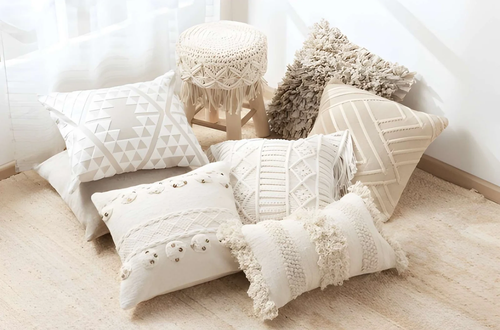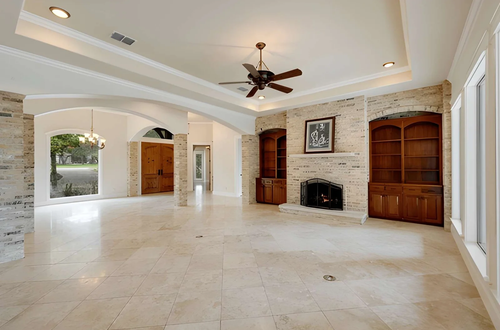
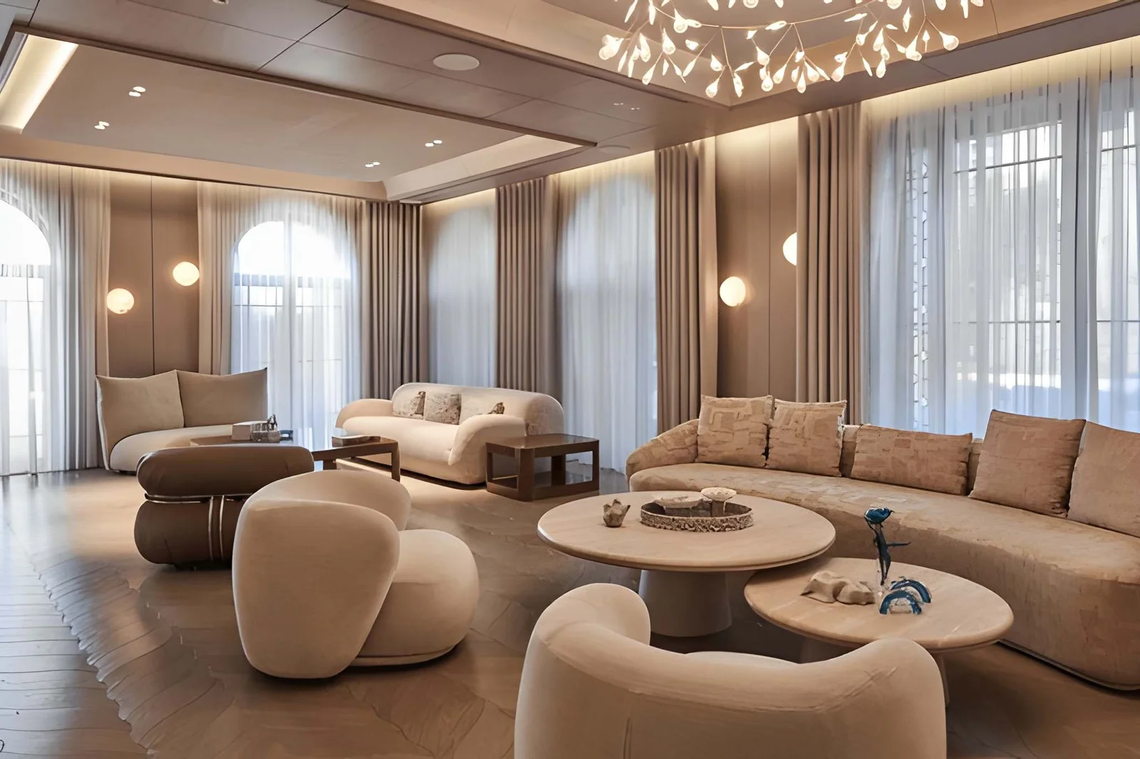
There’s a version of your home that looks expensive, considered, and quietly elevated — and it doesn’t require the budget most people assume it does. The homes that read as luxurious aren’t always the ones where the most money was spent. They’re the ones where the right decisions were made: the right finish in the right place, the right scale of furniture for the room, the right light at the right temperature. These are learnable, repeatable choices available at almost any price point.
Achieving a luxury look on a small budget requires understanding something most decorating advice misses: luxury is a perception, not a price tag. It’s created through proportion, material quality in the places that get noticed most, restraint in what’s displayed, and consistency in color and finish across the home. A room with three things chosen well looks more expensive than a room with thirty things chosen randomly — regardless of what each individual item cost.
This guide covers the specific moves that create a luxury look without significant spending: where to concentrate what budget you have, which changes signal quality most reliably, and what to stop doing that’s actively undermining the home you already own.
What Makes a Home Look Luxury — and What Doesn’t
The visual signals of a luxury look are consistent and largely independent of actual cost. Understanding them changes where you spend attention and money.
| Luxury Signal | What It Communicates | How to Achieve It Affordably |
|---|---|---|
| Restraint on surfaces | Curation, confidence, intention | Edit down to three objects maximum per surface |
| Warm, layered lighting | Craft, atmosphere, hospitality | Swap bulbs, add one floor lamp per room |
| Correct furniture scale | Spatial confidence, design knowledge | Measure before purchasing, size up instinctively |
| Consistent color palette | Design thinking, visual coherence | 2–3 colors max, same undertone throughout |
| Quality in visible hardware | Attention to detail, craft appreciation | Upgrade pulls, handles, curtain rods |
| Ceiling-height curtains | Architectural proportion, generous scale | Rehang existing curtains higher and wider |
| One strong focal point per room | Curation, hierarchy, intentionality | Identify and frame what’s already strongest |
How to Achieve a Luxury Look on a Small Budget
1. Edit Before You Add Anything
The fastest way to make a home look more expensive is to remove things from it. This is the luxury look strategy that costs nothing and works immediately — and it’s the one most people resist because it runs against the instinct to add rather than subtract.
Surfaces covered in accumulated objects, shelves filled to capacity, walls with too many small frames competing for attention — these read as cluttered regardless of the quality of individual items. The luxury homes that stop people have one quality in common: restraint. Every object present is there because it contributes something specific. Everything else has been edited out.
The practical threshold: three objects maximum per surface, each at a different height, each serving a visual purpose. One large piece of art rather than a collection of small ones. Empty space treated as a design element rather than a gap to fill. This editing costs nothing and produces more immediate visual improvement than any purchase.
2. Swap the Bulbs First
Warm-toned bulbs in the 2700K range cost under $5 each and change how every surface, color, and material in a room reads. Cool-white LEDs — the default in most US homes — make rooms feel clinical and make materials look cheaper than they are. The same sofa, the same walls, the same floors under warm light versus cool light look like two different rooms.
This is the single highest-return investment available for a luxury look on a small budget. Replace every bulb in your most-used rooms with warm white equivalents. Add one floor or table lamp per room so you’re not dependent on overhead fixtures alone. The layered warmth this creates is what people respond to in hotel lobbies and high-end restaurants — and it costs less than a throw pillow to replicate.
3. Rehang Your Curtains
Curtains hung just above the window frame — the default installation position — make ceilings look lower and rooms look smaller. This single placement mistake costs nothing to fix and produces one of the most dramatic luxury look improvements available without purchasing anything new.
Move the curtain rod to ceiling height, or as close to it as possible. Extend it 8–12 inches beyond the window frame on each side. If your existing curtains are long enough to reach the floor from this new position, the transformation is entirely free. If they’re not quite long enough, adding a few inches of matching fabric at the top is far cheaper than new curtains. The result — taller apparent ceiling, larger apparent window, more architectural proportion — is one of the clearest markers of a well-designed room and one of the least expensive to achieve.
4. Upgrade the Hardware
Cabinet pulls, drawer handles, door knobs, curtain rods, towel bars, and light switch plates are touched every day and registered subconsciously by everyone in the home. Builder-grade chrome and plastic hardware signals that no one thought carefully about the details. Matte black, brushed brass, or brushed nickel hardware in the same finish throughout a room signals the opposite.
The cost of replacing cabinet hardware in a kitchen or bathroom runs $50–$200 for most homes — less than a single decorative accessory — and the visual impact is disproportionate to the price. The consistency matters as much as the finish: choose one metal finish and apply it to every hardware element in the room. Mixing finishes without intention reads as unfinished rather than eclectic.
5. Use Paint Strategically
Paint is the cheapest per-square-foot transformation available for a luxury look on a small budget — but only when applied strategically rather than just to walls. The paint decisions that produce luxury results at low cost: painting walls and ceiling the same warm neutral color to eliminate the visual break that makes ceilings feel low; painting one wall in a deep, saturated color that gives the room a focal point and a sense of commitment; painting interior doors in a contrasting color — typically black or deep navy — that makes them read as architectural features rather than functional necessities.
Each of these approaches costs under $100 in materials and produces results that look considered and deliberate rather than budget-constrained. The key is undertone consistency: whatever colors you choose should share the same warm or cool undertone direction so every room feels connected rather than random.
6. Concentrate Spending on What Gets Touched
A luxury look on a small budget requires prioritization: spend on what gets touched and noticed daily, defer what doesn’t. The hierarchy that consistently produces the best results for limited budgets: bedding and towels before furniture, furniture before accessories, lighting before art, hardware before decorative objects.
Quality bedding — natural fiber, high thread count — is felt every night and changes how the bedroom reads during the day because bed presentation dominates the room. Quality towels displayed rather than hidden similarly shift how a bathroom reads without any structural change. These are the purchases that deliver luxury experience and luxury appearance simultaneously — the combination that makes a small budget feel larger than it is. The right bedding and textile choices for a luxury look balance material quality with visual presentation so both the feel and the appearance of the room improve from a single investment.
Luxury Look on a Budget: Priority Spending Guide
| Change | Approximate Cost | Luxury Impact |
|---|---|---|
| Bulb swap to warm white throughout | $20–$50 | Very High — affects every room immediately |
| Curtain rehang at ceiling height | $0 (existing curtains) | Very High — proportion and scale improvement |
| Hardware upgrade (one room) | $50–$200 | High — signals attention to detail |
| Surface edit (remove excess) | Free | Very High — restraint reads as luxury |
| Quality bedding set | $100–$300 | High — felt and seen daily |
| Accent wall paint | $30–$80 | Medium-High — focal point and commitment |
| One large piece of art | $50–$200 | Medium-High — replaces multiple small frames |
| Floor lamp (warm tone) | $40–$150 | High — adds lighting layer and visual anchor |
FAQ
What makes a home look luxurious without spending much?
Restraint, warm lighting, and correct proportion. Edit surfaces to three objects maximum each. Swap bulbs to warm white throughout. Rehang curtains at ceiling height. Upgrade hardware in one key room. These four changes cost under $300 total and collectively produce more visual improvement than most furniture purchases at ten times the cost.
What paint color makes a room look most expensive?
Deep, saturated colors on accent walls — forest green, navy, oxblood — read as committed and confident, which translates visually as expensive. Warm whites and creamy neutrals on main walls make rooms feel larger and more polished than cool grays. The undertone consistency matters more than the specific color.
Does furniture quality matter for a luxury look on a budget?
Scale and placement matter more than quality for a luxury look on a limited budget. A correctly sized, well-positioned mid-range sofa in a neutral fabric reads as more expensive than a high-end sofa at the wrong scale or in the wrong position. Get the scale right first; upgrade quality later.
What single change creates the most luxury feel in a bedroom?
Quality bedding — natural fiber, high thread count, in a neutral tone — changes how the bedroom feels to sleep in and how it reads visually during the day. A well-made bed with quality linens reads as luxury regardless of what else is in the room.
How do you make a small home look luxurious?
The principles that make any home look luxurious work specifically well in small homes: warm lighting, edited surfaces, ceiling-height curtains, correctly sized rugs, and one strong focal point per room. Small homes that feel luxurious are almost always the ones with the most restraint — fewer things, better placed, with more breathing room between them.
Bottom Line
A luxury look on a small budget is genuinely achievable — not through clever substitution of cheap products for expensive ones, but through understanding what actually creates the perception of luxury in the first place. Warm light. Edited surfaces. Correct proportion. Consistent color. Quality in the places that get touched and noticed. Restraint where accumulation has been the default.
Start with the bulbs and the editing — both are free or nearly free and produce immediate results. Then rehang the curtains. Then upgrade the hardware in one room. Build from there. The home that reads as luxurious isn’t the one that spent the most — it’s the one where every visible decision looks intentional. That intentionality is available at any budget. It just requires knowing where to concentrate it.
For more luxury home looks must visit https://decoratoradvice.ca/