Most homes have a hierarchy of attention. The living room gets considered. The primary bedroom receives some thought. The kitchen gets updated when it becomes too dated to ignore. And then there’s every corner of the house that doesn’t fall into these primary zones — the hallway that connects rooms without adding to them, the bathroom that functions but doesn’t feel like anything, the bedroom corner that’s been collecting whatever didn’t have a better place to go, the landing at the top of the stairs that nobody has decided what to do with.
These secondary spaces and forgotten corners accumulate throughout most US homes — neither neglected enough to demand attention nor considered enough to feel good to be in. They’re the spaces you pass through without fully experiencing, which means a significant portion of your home’s square footage is functionally invisible to you every day.
A home where every corner feels special isn’t more expensive or more elaborately decorated than one where corners are ignored. It’s more intentional — each space, however small, has received enough thought to have a character and a purpose that makes it feel like it was meant to be there. This article covers specifically how to achieve that: the principles, the room-by-room approaches, and the small decisions that transform passed-through spaces into places worth noticing.
The Principle Behind Every Corner That Feels Special
Before covering specific spaces, the underlying principle is worth establishing: every corner feels special when it’s been given one clear purpose and the elements that serve that purpose have been chosen deliberately. It’s not about filling the space. It’s not about decorating it. It’s about deciding what this corner is for and then supporting that decision with specific, considered choices.
A corner with a purpose reads differently from an unused corner regardless of its size, location, or what it contains. The purpose communicates that someone thought about the space — which is the quality that makes every corner feel cared for rather than accidental.
| Corner Type | Without Purpose | With Purpose | Transformation Required |
|---|---|---|---|
| Hallway | Through-path only | Gallery, library, moment of beauty | Artwork, lighting, single element |
| Stair landing | Transitional dead zone | Reading nook or display zone | Chair or shelving, lamp |
| Bedroom corner | Accumulation zone | Reading chair destination | Chair, lamp, small table |
| Bathroom | Functional only | Spa-like retreat | Textiles, scent, one design element |
| Kitchen corner | Cabinet or dead space | Coffee station or herb garden | Consolidated zone definition |
| Entry corner | Coat dump | Intentional landing zone | Hook system, tray, mirror |
| Window alcove | Ignored space | Seat or display moment | Cushion or shelf, plant |
| Under-stair space | Storage without design | Functional or display zone | Design-forward storage |
Making Every Corner Feel Special: Room by Room
Hallways: Transforming Through-Paths Into Experiences
The hallway is the space every corner of the house most consistently ignores. It connects rooms without being considered a room itself — a functional corridor that exists to allow movement but rarely receives the design attention that would make it worth experiencing in its own right.
The homes where every corner feels special almost always have hallways that read as intentional spaces: a consistent arrangement of artwork that creates a gallery experience, lighting that establishes a different quality from the rooms it connects, a single piece of furniture (a console, a bench, a small cabinet) that gives the corridor a moment of habitation.
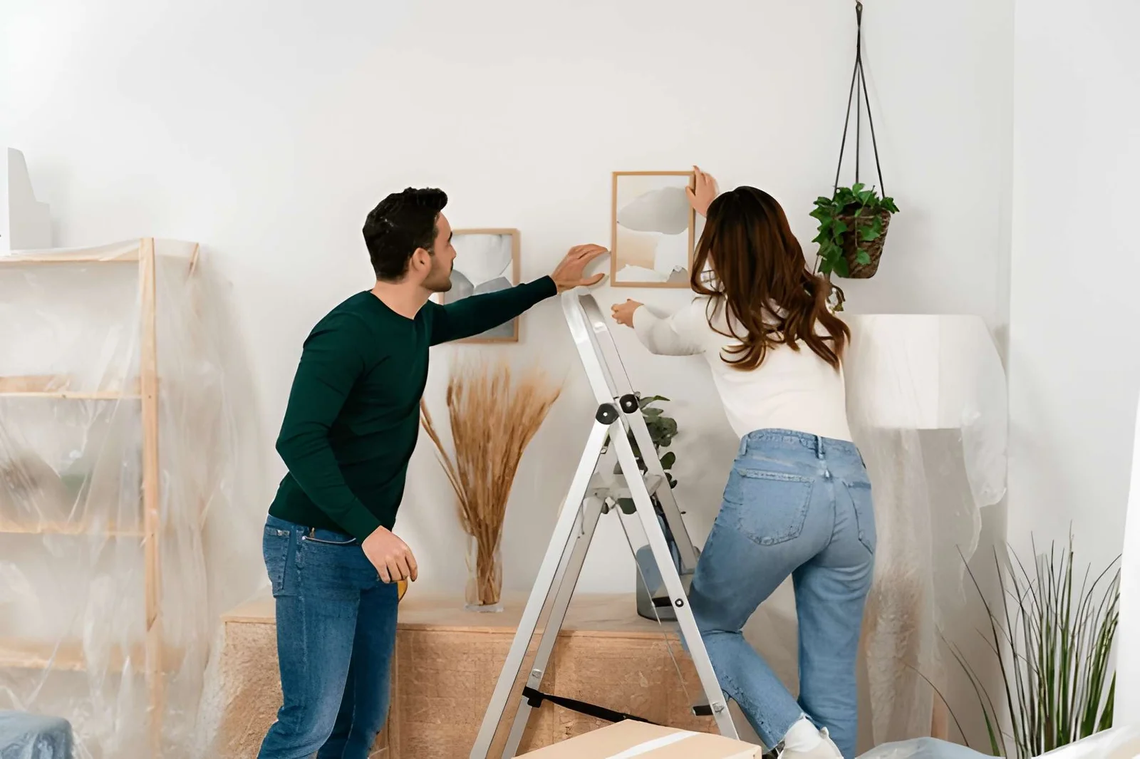
The gallery wall approach is the most accessible hallway transformation: a coherent arrangement of artwork, photographs, or prints at consistent heights and with consistent frame styles, installed along the hallway’s primary wall. It costs $100 to $400 in frames and prints, takes a weekend afternoon to install, and transforms a through-path into a space people slow down in rather than hurry through.
| Hallway Transformation Element | Cost Range | Time Required | Character Created |
|---|---|---|---|
| Gallery wall (8–12 pieces) | $100–$400 | Afternoon | Personal, gallery-like, destination |
| Console table + mirror | $150–$500 | 2 hours | Landed, residential, considered |
| Pendant or sconce lighting | $80–$300 | Professional or DIY | Atmosphere, departure from overhead only |
| Runner rug | $40–$150 | 15 minutes | Warmth, acoustic softness, definition |
| Single statement piece | $50–$500 | 30 minutes | Focal interest, slows movement |
Bedroom Corners: From Accumulation Zones to Destinations
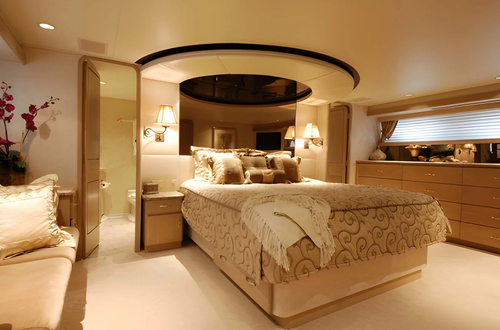
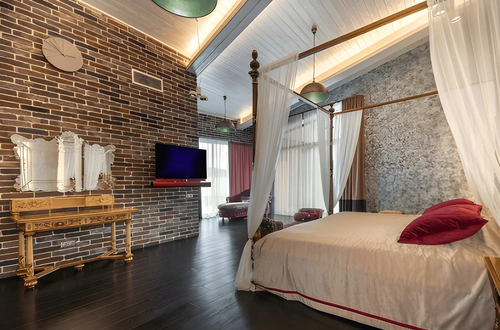
The typical US bedroom corner is where things land without a better home. A chair that nobody sits in. Exercise equipment that’s become a clothes hanger. A pile of items that were going to be dealt with eventually. Every corner of the house that’s been used this way is a missed opportunity — and the bedroom corner is where the missed opportunity costs the most, because the bedroom is the room where the quality of the environment most directly affects daily wellbeing.
The bedroom corner that feels special has been given one of three purposes: a reading and relaxation destination (armchair, lamp, side table), a dressing and preparation zone (small vanity or mirror with appropriate lighting), or a dedicated display moment (a single plant or art piece positioned to be seen from the bed).
Any of these requires one focused purchase decision and one clear commitment to not letting the corner revert to its previous function. The reading corner specifically — an armchair with good light and an accessible surface — is the bedroom corner transformation most directly correlated with how special the whole bedroom feels, because it creates a destination within a destination.
Bathrooms: The Every Corner Opportunity That’s Often Entirely Missed
The bathroom is the room where US homeowners most consistently accept whatever is there without making it feel special. Builder fixtures, builder tiles, builder vanities — all adequate, none of them creating the quality that makes a bathroom feel like a space rather than a facility.
Making every corner of the bathroom feel special doesn’t require renovation. It requires addressing the sensory experience that the functional elements alone don’t create: fragrance (a diffuser, a candle, fresh flowers in a small vase), texture (quality towels in a consistent palette, a bath mat that’s plush enough to feel luxurious underfoot), and one visual element that isn’t purely functional (a plant that tolerates humidity, a print in a quality frame, a decorative object on the counter that was chosen rather than accumulated).
The bathroom plant is worth specific mention: a pothos, a peace lily, or a fern in a ceramic pot transforms how every corner of the bathroom reads — it adds organic life to the room most in need of it, thrives in the humidity that kills other indoor plants, and costs $15 to $30.
The Transitional Spaces: Landings, Nooks, and Understairs
The transitional spaces in a US home — the stair landing, the window alcove, the under-stair area — are where every corner of the house most often reveals whether a home has been thought about comprehensively or selectively.
The stair landing is one of the most overlooked design opportunities in multi-story US homes. Sized for a moment of pause rather than sustained habitation, it responds exceptionally well to a single element that makes it worth pausing in: a console table with a meaningful object, a piece of artwork that’s visible from below and above, a plant that marks the transition between floors.
The window alcove — where a bay window or an inset window creates a deep recess — is perhaps the highest-potential every corner of the house opportunity available. A cushioned window seat, built-in or simply cushion-topped, transforms an architectural feature that currently does nothing into one of the most loved spots in the home. The cost of a cushioned window seat ranges from $50 (a simple cushion cut to size) to $2,000 (built-in with storage beneath), with the simple version producing 80% of the character improvement.
Under-stair space in US homes typically contains either a closet that’s too small to be useful or completely wasted volume. Design-forward under-stair solutions — built-in bookshelves that use the graduated height, a small reading nook with a light, a designated home office space that fits precisely — transform the most consistently wasted every corner of the house into something genuinely purposeful.
The Small Decisions That Make Every Corner Feel Considered
| Micro-Decision | Space It Transforms | Cost | Time |
|---|---|---|---|
| One plant in an empty corner | Any room | $15–$40 | 10 minutes |
| Warm-white bulb in forgotten lamp | Any room | $5 | 2 minutes |
| Framed print in bathroom | Bathroom | $20–$80 | 20 minutes |
| Runner rug in narrow hallway | Hallway | $40–$120 | 15 minutes |
| Window seat cushion | Window alcove | $50–$200 | 1 hour |
| Hooks behind door | Any room with door | $10–$30 | 20 minutes |
| Small shelf in blank wall space | Hallway, landing | $20–$60 | 1 hour |
| Consistent towel palette in bathroom | Bathroom | $30–$80 | 5 minutes |
Frequently Asked Questions
How do you make every corner of a small house feel special without crowding it?
By giving each corner one clear purpose rather than trying to address multiple needs in a limited space. A small house where every corner has been assigned a specific, well-executed purpose (this corner is the reading destination, this corner is the plant grouping, this corner is the gallery wall) reads as more special than a larger house where corners are used for overflow storage or simply left unaddressed.
What’s the most impactful change for making a forgotten corner feel intentional?
Light. A dark corner with a warm lamp immediately becomes a destination rather than a dead zone. The lamp costs $45 to $120, the bulb change to warm white costs $5, and the total intervention takes twenty minutes. The corner goes from a space people’s eyes skip over to one that invites approach — which is the essence of making every corner feel special.
How do I stop corners from becoming clutter accumulation zones?
Give each corner a purpose before clutter can claim it. A corner with a chair and a lamp has a defined identity that resists accumulation — there’s nowhere for the clutter to go that isn’t clearly in conflict with the corner’s established purpose. A corner without a purpose has no resistance to whatever arrives there without a better destination. Purpose is the clutter solution.
Do transitional spaces like hallways and landings really matter to how a home feels overall?
Significantly. The experience of moving through a home is constructed as much by these transitional spaces as by the primary rooms. A home where every hallway is a considered gallery, every landing is a moment of interest, and every corridor transition is designed reads as comprehensively cared for — which is qualitatively different from a home where the primary rooms are beautiful and everything between them is generic.
What’s the minimum to make a bathroom feel special if I can’t renovate?
Three elements: one quality plant (pothos or fern), one set of towels in a consistent, deliberately chosen color, and one fragrance element (a candle, a diffuser, or fresh flowers when budget allows). These three additions address the sensory dimensions of the bathroom — visual, tactile, and olfactory — in a way that no single renovation could without them. Total cost: $30 to $80.
The Bottom Line
A home where every corner feels special isn’t the result of unlimited budget or comprehensive renovation. It’s the result of comprehensive attention — the decision to extend the same level of consideration to hallways, landings, bathroom corners, and bedroom alcoves that most homeowners currently give only to their primary rooms.
The transformation happens at the level of individual decisions: a lamp in a dark corner, a purpose assigned to a previously undefined space, a plant in the bathroom, a gallery wall in the hallway, a cushion in a window alcove. Each decision costs relatively little and takes relatively little time. Together, they produce the quality that visitors notice without being able to articulate: the sense that this home has been thought about everywhere, not just in the rooms where it’s obvious.
For home corner ideas must visit https://decoratoradvice.ca/