Anyone who has owned a deck in Canada knows the real test is not the summer barbecue season. It is February. Freeze-thaw cycles, road salt tracked up from the yard, heavy snow loads, and weeks of damp shoulder season all conspire to crack, warp, and rot a deck that was not built for it. Choosing the best decking materials for the Canadian climate is less about looks and more about how a board behaves when the temperature swings forty degrees in a single week.
After working alongside homeowners across Ontario, Alberta, and the Maritimes, the pattern is clear: the material you pick at the start determines how many weekends you lose to maintenance later. Here is an honest breakdown of what holds up and what does not.
What Makes Canadian Weather So Hard on Decks
Three forces do most of the damage.
The first is the freeze-thaw cycle. Water seeps into wood grain or surface pores during a thaw, then expands as it refreezes overnight. Repeated thousands of times over a winter, this slowly splits boards and pops fasteners loose.
The second is moisture loading. Snow that sits on a deck for months keeps the surface saturated, which accelerates rot in untreated or poorly sealed wood.
The third is UV and dryness in summer. Prairie and interior climates swing from wet winters to baking-dry summers, which fades and cracks materials that handled the cold just fine.
A good decking material has to manage all three, not just one.
Comparing the Top Decking Materials
Here is how the most common options stack up for Canadian conditions.
| Material | Freeze-Thaw Resistance | Maintenance | Lifespan (Canada) | Upfront Cost |
| Composite | Excellent | Very low | 25–30 years | High |
| PVC (capped) | Excellent | Very low | 25–30+ years | Highest |
| Cedar | Good | Moderate–high | 15–20 years | Moderate |
| Pressure-treated pine | Fair–good | High | 10–15 years | Lowest |
| Tropical hardwood | Very good | Moderate | 25+ years | High |
Composite Decking
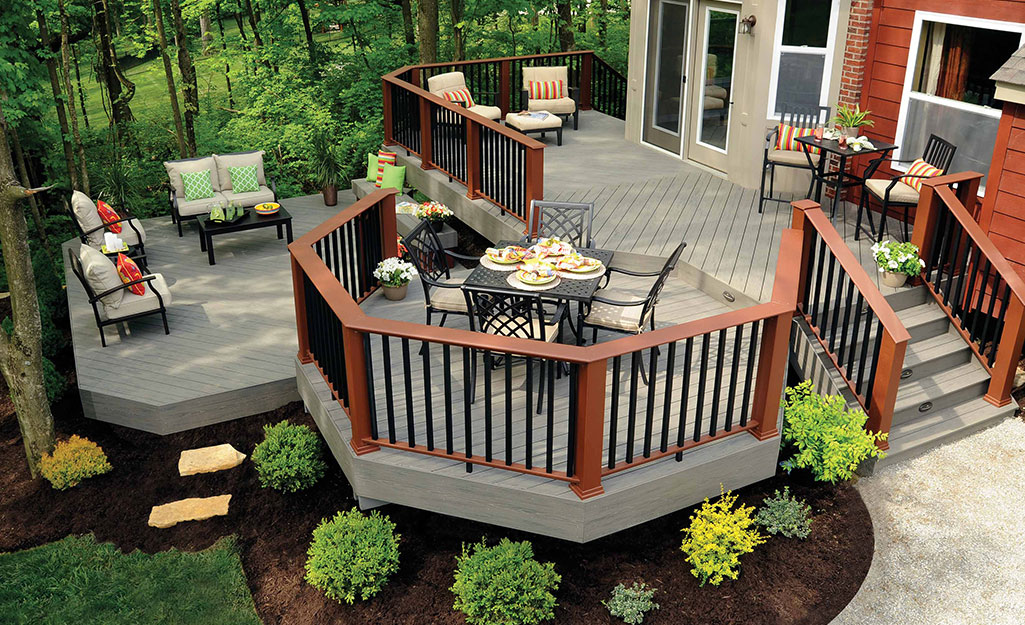
Composite boards combine wood fibres and recycled plastic, and the better capped products resist moisture almost entirely. This matters in our climate because water cannot penetrate to start the freeze-thaw damage cycle. There is no sanding, staining, or sealing. The trade-off is cost and the fact that composite can get hot underfoot in direct summer sun. For most homeowners who want to stop thinking about their deck, it is the strongest all-round choice.
Cedar
Western red cedar is naturally rot-resistant and handles cold beautifully. It also looks stunning and stays cooler than composite in summer. The catch is upkeep. To survive Canadian winters without greying or cracking, cedar needs cleaning and re-sealing every two to three years. Skip that, and its lifespan drops fast.
Pressure-Treated Wood
This is the budget standard and the most common material on older Canadian decks. It works, but only if you commit to maintenance. Pressure-treated lumber should be sealed annually and inspected each spring for split boards and loose fasteners. It is the cheapest to install and the most expensive in long-term labour.
How to Choose the Right Material for Your Region
Use this quick decision guide:
- Coastal BC and the Maritimes (wet, mild): Prioritize rot resistance. Composite or capped PVC perform best against constant moisture.
- Prairies (dry summers, brutal winters): Look for materials rated for wide temperature swings. Composite and tropical hardwood handle the range well.
- Central Canada (mixed): Almost any quality material works if installed correctly, so weigh budget against how much maintenance you are willing to do.
- Anywhere with heavy snow: Confirm your substructure and joist spacing are rated for snow load, regardless of the surface board you choose.
The surface board gets all the attention, but experienced deck builders Decksforlife will tell you the framing and drainage underneath matter just as much for surviving winter.
Installation Details That Decide Longevity
Even the best decking materials for the Canadian climate fail early if the build is wrong. A few details make an outsized difference.
Proper gapping between boards lets meltwater drain instead of pooling and freezing. Using hidden fasteners or coated screws prevents the corrosion that road salt and moisture cause. Sloping the substructure slightly so water runs off rather than sitting also extends the life of every component above it. Ledger board flashing, often overlooked, prevents water from rotting the connection point where the deck meets the house.
These are the elements where hiring qualified deck contractors Decksforlife pays for itself, because a small flashing or drainage mistake can cost thousands in repairs after a few hard winters.
Maintenance Checklist for Each Season
Keeping any deck in shape through a Canadian year comes down to routine.
In spring, clear debris from board gaps and inspect for frost-heaved posts or popped fasteners. In summer, clean the surface and re-seal wood if it is due. In fall, remove leaves before they trap moisture, and confirm drainage is clear. In winter, use a plastic shovel rather than metal to clear snow, and avoid rock salt, which damages most surfaces over time.
Frequently Asked Questions
What is the most durable decking material for Canadian winters? Capped composite and PVC are the most durable because they resist moisture penetration, which is the root cause of freeze-thaw damage.
Is composite decking worth the extra cost in Canada? For most homeowners, yes. The higher upfront price is offset by decades of near-zero maintenance and strong freeze-thaw resistance.
Can you install a deck during a Canadian winter? You can, but spring through fall is ideal. Frozen ground complicates footing installation, and some materials are harder to work with in extreme cold.
How often should a wood deck be sealed? Pressure-treated wood should be sealed annually, and cedar every two to three years, to withstand moisture and UV exposure.
The Bottom Line
The best decking materials for the Canadian climate are the ones matched to your region, your budget, and how much maintenance you are realistically willing to do. Composite wins for low-effort durability, cedar rewards owners who enjoy upkeep, and pressure-treated wood remains a solid budget option with regular care. Whatever you choose, the difference between a deck that lasts ten years and one that lasts thirty often comes down to the framing and drainage underneath, so build it right the first time
For more information visit decoratoradvice com