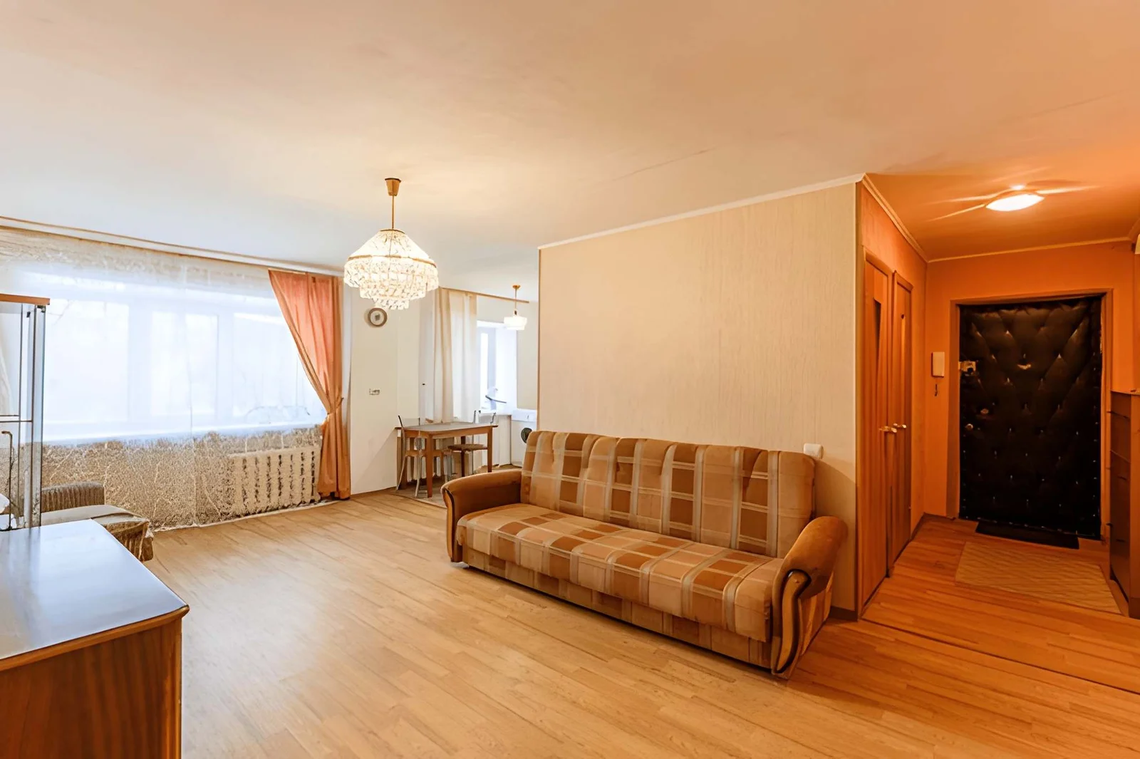
Small apartments have a reputation for being hard to decorate. That reputation is mostly earned by the wrong approach — stuffing a small space with furniture scaled for a larger one, adding too many colors, or treating storage as an afterthought. The result feels cramped before you’ve even finished unpacking.
But decorating a small apartment without making it feel crowded is genuinely achievable. It just requires a different set of priorities than decorating a larger home. Scale matters more. Negative space becomes an intentional tool rather than a problem to fill. Light — both natural and artificial — does more of the visual heavy lifting. And every piece of furniture needs to justify its square footage, ideally in more than one way.
This guide covers the specific decisions that make small apartments feel bigger, calmer, and more livable: furniture selection, color strategy, storage thinking, lighting, and the visual tricks that actually work versus the ones that sound good but don’t. No gut renovation. No impossible budget. Just choices that compound in the right direction.
What Makes a Small Apartment Feel Crowded in the First Place?
Before fixing the problem, it helps to understand what creates it. Most small apartments feel crowded for a handful of predictable reasons — and most of them are fixable without moving a single wall.
| Common Mistake | Why It Crowds the Space | Better Approach |
|---|---|---|
| Oversized furniture | Blocks sightlines and floor area | Right-scale pieces with visible legs |
| Too many colors | Creates visual fragmentation | 2-3 color palette maximum |
| Poor lighting | Makes walls feel closer | Layered warm light sources |
| No defined zones | Everything blurs together | Rugs and furniture to anchor areas |
| Clutter on surfaces | Breaks visual rest | Edited surfaces, hidden storage |
| Heavy window treatments | Blocks natural light | Sheer panels or no curtains at all |
How to Decorate a Small Apartment Without Making It Feel Crowded
1. Get the Furniture Scale Right First
This is the decision everything else depends on. Furniture that’s too large for a room doesn’t just take up space — it makes the whole room feel smaller by eating sightlines. A sectional sofa designed for a 20-foot living room will overwhelm a 12-foot one regardless of how well you style around it.
Choose pieces with visible legs — sofas, chairs, and tables that show floor underneath feel lighter and less grounded. Avoid pieces that go all the way to the floor. A slim-profile sofa in a neutral tone will do more for a small apartment than any decorative addition you could make afterward.
2. Use a Tight, Warm Color Palette
More colors don’t add interest in a small space — they add visual noise. The rooms that feel most spacious typically use two to three colors maximum, with one dominant neutral and one or two supporting tones.
Warm whites, creamy off-whites, and warm greige consistently perform better than cool whites or stark grays. They reflect light without feeling cold. Paint the ceiling the same color as the walls (or just slightly lighter) to eliminate the visual cap that makes ceilings feel low.
3. Make Every Piece of Furniture Work Harder
In a small apartment, single-purpose furniture is a luxury you don’t have room for. An ottoman that opens for storage. A dining table that folds against the wall. A bed frame with built-in drawers. A bench at the foot of the bed that doubles as a luggage rack and extra seating.
This isn’t about cramming in functionality — it’s about reducing the number of pieces you need. Fewer pieces, better chosen, beats more pieces every time.
4. Control the Light
Natural light is the single most powerful space-expander available. Don’t block it. Heavy drapes, dark blinds, and furniture placed in front of windows all reduce the light that makes small apartments feel open.
Use sheer panels if you need privacy, or switch to top-down blinds that let light in from above. Add warm artificial light at multiple levels — floor lamps, table lamps, under-cabinet lighting — so the room doesn’t rely on a single overhead source that flattens everything.
5. Define Zones Without Walls
Open-plan small apartments often feel chaotic because nothing is defined. A rug anchors a seating area and signals where the living room ends. A different light fixture over a dining area separates it from the workspace behind it. A bookshelf positioned perpendicular to the wall creates a soft room divider without blocking light.
Zones make a space feel organized and intentional rather than compressed — and an intentional small apartment feels larger than a disorganized one twice its size.
6. Edit Ruthlessly, Decorate Intentionally
The hardest discipline in a small apartment is leaving surfaces alone. Every object on a surface competes for visual attention. Too many competing focal points create the mental sensation of clutter even when things are technically tidy.
Choose fewer objects, but choose them well. One larger piece of art reads better than a gallery wall of small frames in a tight space. A single statement plant beats six small ones scattered around. The right approach to small-space decorating is addition by subtraction: each thing you don’t put in the room makes what’s left feel more considered.
Small Apartment Decorating: Quick Reference
| Strategy | Impact Level | Cost to Implement |
|---|---|---|
| Right-scale furniture | Very High | Medium (one-time investment) |
| Warm, tight color palette | High | Low (paint is cheap) |
| Multi-function furniture | High | Medium |
| Maximizing natural light | High | Low to none |
| Zone definition with rugs | Medium-High | Low to Medium |
| Surface editing | Medium-High | Free |
| Sheer window treatments | Medium | Low |
| Vertical storage | Medium | Low to Medium |
FAQ
What colors make a small apartment look bigger?
Warm whites, creamy neutrals, and warm greige consistently open up small spaces. Paint walls and ceiling in the same tone to eliminate visual breaks. Avoid cool grays — they make spaces feel contracted rather than open.
How do you make a small apartment feel less crowded without buying new furniture?
Start by removing pieces rather than adding them. Then edit surfaces down to three items maximum each. Swap heavy window treatments for sheers, and add a warm-toned floor lamp. These changes cost little and make an immediate difference.
Should you use mirrors to make a small apartment look bigger?
Mirrors help when placed to reflect light or a view — opposite a window is the classic position. A mirror reflecting a blank wall or a cluttered corner doesn’t add much. One large mirror outperforms several small ones.
How much furniture is too much for a small apartment?
If you can’t walk comfortably through every part of the room, you have too much. As a rule: every piece of furniture should have clear space around it, and at least 30% of your floor area should be visible from any standing position in the room.
What flooring makes a small apartment feel bigger?
Light-toned flooring with a consistent tone across all rooms removes visual breaks that fragment space. Large-format tiles or wide-plank wood both read as more spacious than small tiles or narrow strips.
Bottom Line
Decorating a small apartment without making it feel crowded comes down to one core discipline: intention. Every piece of furniture, every color, every object on a shelf should earn its place. Not because small spaces require perfection — they don’t — but because the margin for random accumulation is simply smaller.
Get the furniture scale right, keep the palette tight, multiply the functions of what you own, protect your light, and edit your surfaces. Do those five things and a small apartment stops feeling like a compromise and starts feeling like a considered space. Size matters a lot less than most people assume. What you put in it — and what you leave out — matters more.
Must visit https://decoratoradvice.ca/ for more small apartment decoration.