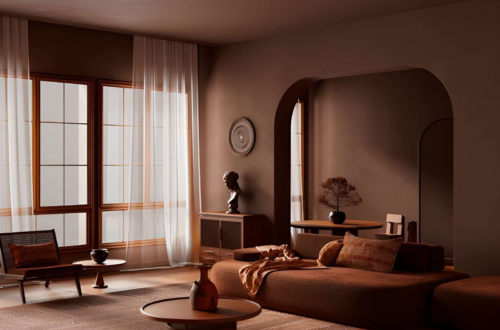

Most wall damage looks like bad luck. A dent appears behind the sofa, a gray scuff runs along the hallway, and a dark patch spreads behind the bed. Nobody remembers causing any of it, and then the move-out inspection arrives. In rentals, a few marks can turn into deductions from a security deposit. In owned homes, they turn into repainting and patching. So what causes furniture to damage walls, and how can you prevent it?
The causes are fewer than most people expect, and each has a cheap fix. This article groups furniture damage to walls into five causes: contact, pressure, moisture, heat, and movement. You will find a quick answer, a cause-and-fix table, a clearance guide, a paint sheen comparison, a safety note on anchoring tall pieces, and the mistakes that make marks worse. It suits owners, renters, and landlords across the US. Read the quick answer first, then use the sections that fit your home.
What Causes Furniture to Damage Walls?
Furniture damages walls through five causes: repeated contact, concentrated pressure, trapped moisture, heat, and movement during cleaning or rearranging. Chair backs, headboards, and recliners scuff and dent drywall. Pieces pushed flush against walls can trap humidity and cause mildew. Preventing damage means adding space, soft contact points, and careful moving habits.
Cause-and-Fix Table
| Cause | What you see | Typical culprit | Prevention |
|---|---|---|---|
| Contact | Scuffs, scratches, oil marks | Chair backs, headboards, sofa arms | Felt or rubber bumpers, small gap |
| Pressure | Dents, gouges | Sharp corners, heavy legs, recliner frames | Corner guards, wider clearance |
| Moisture | Dark patches, mildew, peeling paint | Furniture flush to cold exterior walls | Leave an air gap, control humidity |
| Heat | Discoloration | Pieces near radiators, vents, or fireplaces | Keep clear of heat sources |
| Movement | Streaks, chips | Dragging, vacuuming, rearranging | Lift, use sliders, clean around items |
Use Clearance, Not Guesswork
These are common guidelines, so check each product’s instructions.
| Furniture | Suggested gap from wall |
|---|---|
| Sofa or loveseat | About 2 to 4 inches |
| Headboard or bed | About 2 to 3 inches, or use a bed rail bumper |
| Standard recliner | Follow the manufacturer’s spec, often more than a foot |
| Wall-hugger recliner | Per the manufacturer, usually several inches |
| Dining chairs | About 36 inches behind the chair for pulling out |
| Bookcase or dresser | Flush if anchored, with felt pads at contact points |
Exterior walls in humid or cold climates benefit from extra space for airflow.
Protect the Wall Itself
| Option | Best for | Notes |
|---|---|---|
| Felt or rubber bumpers | Chair backs, headboards, frames | Replace when worn |
| Corner guards | Sharp furniture corners | Cheap and removable |
| Chair rail or wall panels | Dining rooms, hallways | Permanent, adds style |
| Furniture sliders | Heavy pieces | Prevent drag marks |
| Wall protector sheets | Behind high-use items | Removable options exist |
Paint sheen affects how marks show and how they clean.
| Sheen | Marks | Cleaning |
|---|---|---|
| Flat or matte | Show easily | Hard to wipe |
| Eggshell or satin | Moderate | Washable |
| Semi-gloss | Show less | Easiest to clean |
Choose washable paint in hallways, kids’ rooms, and dining areas.
Safety Note: Anchor Tall Furniture
Heavy dressers, bookcases, and TVs can tip over, and anti-tip kits attach them to wall studs. Use a stud finder, and avoid drilling near wires or pipes. Follow product instructions, and plan repairs of the screw holes if you rent. Ask your landlord before making holes.
Fixing Existing Damage
Clean scuffs first with a mild cleaner and a soft cloth, testing in a hidden spot. Fill small dents with spackle, sand lightly, and touch up with matching paint. For mildew or dark patches behind furniture, fix the moisture source before repainting, and treat mold with care or call a professional if it spreads.
Mistakes to Avoid
The most common mistake is pushing furniture tight against the wall. Another is dragging heavy pieces, which gouges walls and floors. Ignoring dark patches is a third error, since moisture can worsen quickly. Don’t use abrasive cleaners on paint either. Finally, don’t skip photos of the walls at move-in if you rent.
FAQ
Can furniture cause mold on walls?
Yes, when it blocks airflow against a damp or cold wall. Leave space and control humidity.
What is the easiest prevention?
A small gap and felt bumpers.
Bottom Line: Prevent Furniture Damage to Walls With Space and Soft Contact
Furniture damage to walls comes from contact, pressure, moisture, heat, and movement. Leave gaps, add bumpers, choose washable paint, lift instead of drag, and anchor tall pieces safely. A few small habits protect both walls and deposits.
For preventing furniture damage to walls must visit https://decoratoradvice.ca/