Walk into most real homes and you’ll rarely find a room that sticks to one style straight out of a design magazine. A grandmother’s carved chair sits next to a glass coffee table, or linen curtains hang over a bold graphic rug. Trouble starts when people try to mix different décor styles without a plan, and the room ends up looking like a furniture showroom that lost its floor map. This guide covers how to mix different décor styles the way working designers actually do it: a proportion rule for balancing styles, a way to pick a color thread that holds pieces together, guidance on repeating materials so the eye has somewhere to rest, and the mistakes that turn an eclectic room into a cluttered one. By the end, you’ll know what to keep in your space, what to move, and what to let go.
What Does It Mean to Mix Different Décor Styles?
Mixing décor styles means combining furniture, colors, and finishes from more than one design tradition, such as mid-century modern paired with rustic farmhouse, in a way that reads as one deliberate look rather than two separate ones. The goal isn’t variety for its own sake. It’s choosing pieces from different eras or aesthetics that share something in common, whether that’s a color, a material, or a shape, so the room still feels planned.
Pick One Style to Lead
Every mixed room needs a lead style and a supporting one. Designers often use a 70/30 split: about 70 percent of the room reflects one dominant aesthetic, and the remaining 30 percent brings in contrast through a second style. Without that hierarchy, a room can feel like it’s arguing with itself.
| Room Element | Dominant Style Share (70%) | Accent Style Share (30%) |
|---|---|---|
| Furniture | Sofa, bed frame, dining table | Side chair, accent stool |
| Color | Wall paint, large upholstery | Throw pillows, art |
| Texture | Flooring, main fabric | Rug, blanket, trim |
| Lighting | Overhead fixture | Table or floor lamp |
If you’re not sure which style should lead, pick whichever one already governs your biggest, hardest-to-move pieces, like the sofa or the bed. Everything else can flex around it.
Use One Color Story Across the Room
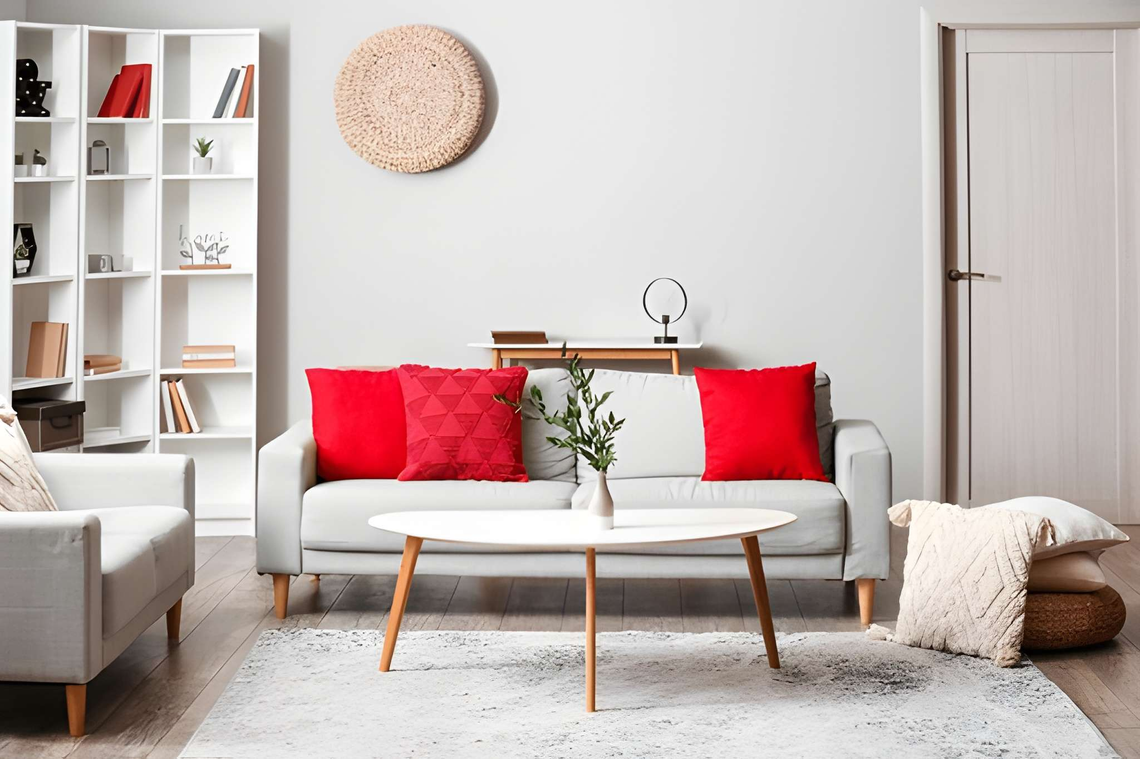
A shared color palette is what lets a room mix different décor styles without looking disjointed. A Scandinavian chair and an industrial lamp can sit in the same room fine, as long as both stay within the same three or four tones.
| Palette Type | How It Works | Best For |
|---|---|---|
| Neutral base | Cream, taupe, or grey walls with varied furniture styles | Small or rented spaces |
| Warm anchor | One recurring warm tone, like rust or ochre, across pieces | Rooms mixing rustic and modern |
| Cool anchor | Blues or greens repeated in fabric and accessories | Coastal mixed with minimalist |
| Monochrome with metal | One color family plus a single metal finish, like brass | Formal or glam-leaning spaces |
Keep metals to one or two finishes as well. Brass, black, and chrome all in the same room tend to compete rather than complement.
Repeat Materials So the Eye Has an Anchor
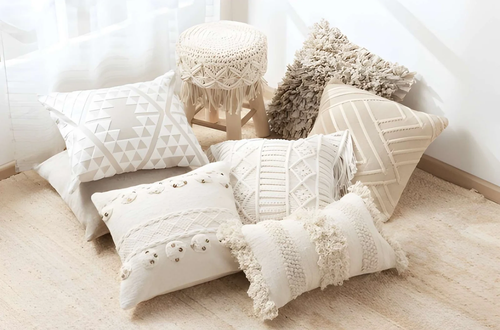
Beyond color, repeating a material at least twice gives a mixed room a sense of order. If you bring in a rattan chair, echo that texture somewhere else, in a light fixture or a basket, so it doesn’t read as a random import. Wood tones matter here too; you don’t need to match every piece of wood exactly, but keeping undertones (warm versus cool) consistent across furniture prevents a room from feeling patched together. Groups like the American Society of Interior Designers treat this kind of repetition as a basic building block of room composition, not just a matter of personal taste.
How Many Styles Can You Actually Mix in One Room?
Most designers cap it at two, occasionally three in a larger room where each style can hold its own zone. Beyond that, the palette and material rules above get hard to hold together, and the space starts to look like a sample board instead of a finished room.
Common Mistakes That Make Mixed Styles Look Messy
| Mistake | What It Does | Fix |
|---|---|---|
| No lead style | Every piece competes for attention | Assign one style 70% of the visual weight |
| Too many accent colors | Room feels scattered | Limit accents to one or two supporting tones |
| Ignoring scale | Large and tiny pieces sit awkwardly together | Match furniture proportions to the room size |
| Skipping texture repetition | Materials feel randomly placed | Repeat at least one texture twice in the space |
| Matching everything | Room looks like a showroom, not a home | Let 30% of the room genuinely contrast |
A Quick Checklist Before You Commit
- Confirm which style covers roughly 70% of the room
- Pick a three- or four-color palette and stick to it
- Limit metal finishes to one or two
- Repeat at least one texture or material twice
- Check that furniture scale suits the room, not just the style
Frequently Asked Questions
Can you mix décor styles in a small room? Yes, and it often works better in small rooms than large ones. Fewer square feet means fewer pieces competing for attention, so one lead style with a couple of contrasting accents (a lamp, a rug, one chair) reads as intentional rather than crowded.
Is transitional style the same as mixing décor styles? Not quite. Transitional design blends traditional and contemporary elements into one cohesive look, usually built around neutral tones and simple lines. Mixing décor styles is broader; it can combine any two traditions, from industrial to bohemian, not just traditional and modern.
How do you mix patterns without it looking chaotic? Vary the scale. Pair a large-scale pattern, like a big floral or geometric rug, with a smaller-scale print, like a fine stripe or check on a cushion. Keeping both patterns within the same color family, rather than introducing new colors with each one, keeps the combination readable.
What’s the easiest style combination for beginners? Modern and traditional tend to be the most forgiving pairing, since clean-lined furniture sits comfortably next to older, more ornate pieces without much extra planning. Scandinavian and industrial is a close second, because both already share a neutral, low-color palette.
Can renters mix décor styles without renovating? Yes. Since walls and flooring often can’t change, renters can lean on the 70/30 approach through furniture, textiles, and lighting instead. A neutral rental interior becomes the 70 percent base, and rugs, curtains, and accent furniture supply the 30 percent that carries the second style.
Final Thoughts
There’s no single formula that works for every home, but the pattern behind rooms that mix different décor styles well is consistent: one style leads, a tight color palette runs through the whole space, and at least one material or texture repeats often enough to feel intentional. Start with whichever piece in the room is hardest to move, build the 70 percent around it, and treat the remaining 30 percent as the place for a second style to show up. Small adjustments, like limiting metal finishes or matching pattern scale, do more for a mixed room than buying new furniture ever will.
For more interior decor styles visit https://decoratoradvice.ca/