
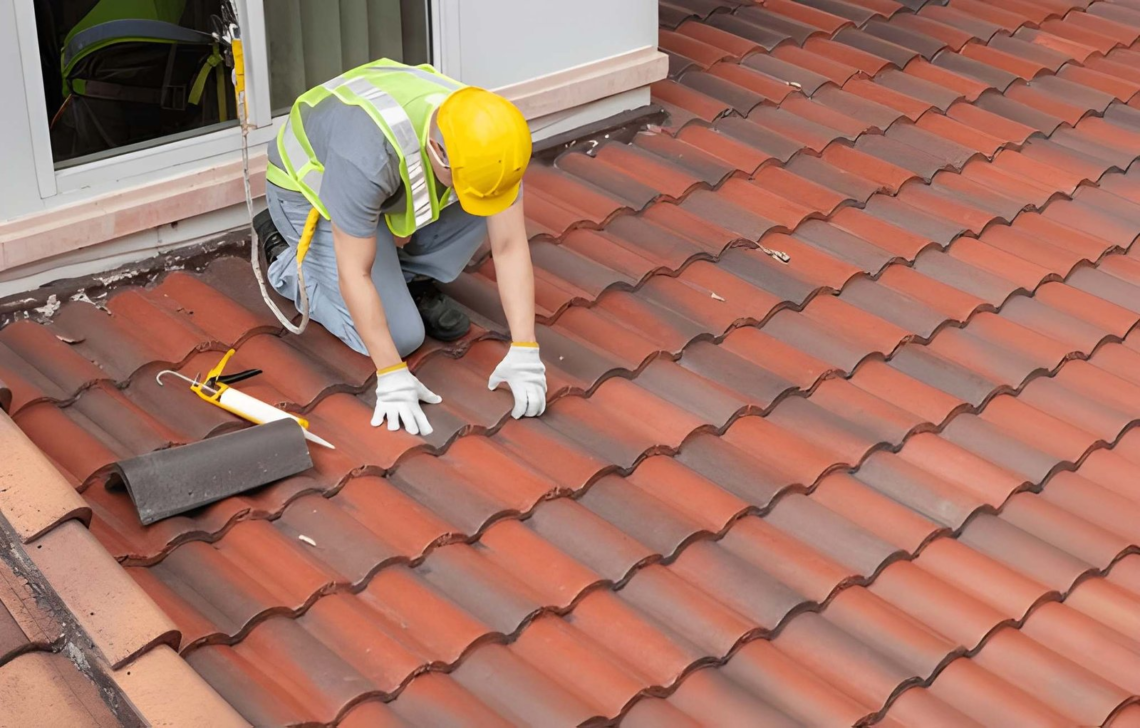
Your roof does more than keep rain out. It sets the tone for everything people see when they pull into your driveway. A sagging shingle or a mismatched patch doesn’t just signal damage — it signals neglect, and that bleeds into how your whole home feels, inside and out.
Most homeowners treat roof repair as a purely functional emergency. Get it fixed, move on. But the smartest ones use every repair as an opportunity: to upgrade materials, refresh curb appeal, and make choices that hold up for decades rather than seasons. That is the core idea behind expert roof repair https://decoratoradvice.ca/.
This article covers seven practical, field-tested tips for US homeowners — from choosing the right shingles for your region’s climate to blending repairs seamlessly with your existing roofline. You’ll also find quick-reference tables, material comparisons, and anchor guidance to help you plan the full project, not just the patch.
Tip 1: Match Shingles to Your Region’s Climate First, Aesthetics Second
Before you pick a color or style, know what your zip code demands.
| Climate Zone | Recommended Shingle Type | Why It Works |
| Hot & Humid (Southeast) | Algae-resistant architectural shingles | Prevents black streaking, reflects heat |
| Cold & Snowy (Northeast, Midwest) | Impact-rated Class 4 shingles | Handles freeze-thaw cycles, ice dams |
| Dry & Hot (Southwest) | Tile or metal | Low maintenance, high solar reflectance |
| High Wind (Gulf Coast, Plains) | Wind-rated 130+ mph shingles | Reduces blow-off risk in storm season |
| Pacific Northwest | Mold-resistant cedar or synthetic | Handles constant moisture without rot |
Get the climate fit right first. Then layer your decorative preferences on top of a material that already belongs in your region.
Tip 2: Blend the Repair — Don’t Just Patch It
One of the most common mistakes homeowners make is replacing only the damaged shingles. The result is a visible color mismatch that ages your roof’s appearance by ten years.
Expert roof repair decorator advice on blending:
- Match the manufacturer and product line, not just the color code. Shingles fade at different rates depending on brand chemistry.
- Source from the same production batch when possible. Ask your contractor to request a lot number match from the distributor.
- Feather the repair zone — replace a few extra rows beyond the damage to create a gradual transition rather than a hard seam.
- Allow for weathering time. If a perfect match isn’t possible, lean slightly lighter. New shingles darken as they cure.
This is the kind of detail that separates a contractor who fixes roofs from one who understands renovation tips as a whole-home discipline.
Tip 3: Use Roof Repairs to Address Hidden Ventilation Problems
Fifty-four percent of premature US roof failures trace back to inadequate attic ventilation, according to the National Roofing Contractors Association. When you’re already tearing off shingles, it costs very little extra to fix what’s underneath.
Signs your ventilation is failing:
- Ice dams forming at the eaves in winter
- Blistering or curling shingles in summer
- High cooling bills despite good insulation
- Mold appearing on attic rafters
Add soffit vents, a ridge vent, or both during your repair window. Your shingles will last longer, your attic will stay drier, and your HVAC system won’t fight the heat load coming through the deck.
Tip 4: Choose Flashing Materials That Match Your Roof’s Long-Term Plan
Flashing — the metal that seals joints around chimneys, skylights, and valleys — is where most leaks actually start. But material choice matters beyond function.
| Flashing Material | Lifespan | Best Paired With | Cost Range |
| Galvanized steel | 15–20 years | Asphalt shingles | $ |
| Aluminum | 20–25 years | Architectural shingles, low-slope roofs | $$ |
| Copper | 50–70 years | Slate, premium tile, historic homes | $$$$ |
| Lead-coated copper | 60+ years | Steep-pitch custom roofs | $$$$ |
If you’re planning to upgrade to premium roofing materials in the next five to ten years, install copper or lead-coated copper flashing now. You won’t have to rip it out during the next project.
Tip 5: Coordinate Roof Color With Your Home’s Full Exterior Palette
This is where roof repair decorator advice moves squarely into design territory — and it matters more than most homeowners realize. Your roof covers roughly 40% of your home’s visible exterior surface. Get the color wrong and no amount of good home decor work at ground level will save the overall look.
A practical color pairing guide:
| Exterior Wall Color | Roofing Colors That Work | Colors to Avoid |
| White or light gray | Charcoal, slate, black | Tan, brown (reads muddy) |
| Red or brick | Brown, gray, black | Green (clashes) |
| Beige or tan | Brown, weathered wood, green | Black (too harsh) |
| Navy or dark blue | Gray, slate, silver metal | Red (garish) |
| Yellow or cream | Brown, green, gray | White (too washed out) |
Use a manufacturer’s visualizer tool — GAF, Owens Corning, and CertainTeed all offer free online tools where you upload your home’s photo and test color combinations before buying.
Tip 6: Don’t Skip the Gutters and Fascia During a Roof Repair
Gutters and fascia boards are structurally connected to your roof system. Replacing shingles without inspecting the fascia beneath is like repainting a wall without checking for water damage behind the drywall.
What to check while the crew is on the roof:
- Fascia boards: Any soft spots, rot, or separation from the rafter tails?
- Soffit panels: Cracking, holes, or pest intrusion?
- Gutter pitch and attachment: Gutters should slope 1/4 inch per 10 feet toward the downspout.
- Downspout extensions: Water should discharge at least 6 feet from the foundation.
If your fascia needs replacing, coordinate the finish color with your trim. This single detail — matching fascia to window trim — does more for home ideas related curb appeal than almost any other exterior decision.
Tip 7: Document Everything for Insurance and Resale
A repaired roof with no paper trail is worth less than it should be — both to insurance adjusters and future buyers.
Documentation checklist:
- Contractor’s license number and insurance certificate
- Manufacturer’s warranty (typically 25–50 years on architectural shingles)
- Workmanship warranty (1–10 years depending on contractor)
- Before and after photos of the repair zone
- Receipt for materials including product codes and lot numbers
- Any permit pulled for the work
Store physical copies and digital backups. When you sell your home, a documented roof repair — especially one with a transferable manufacturer’s warranty — is a concrete selling point that appraisers can assign value to.
Frequently Asked Questions
How much does a roof repair cost in the US in 2026?
Minor repairs (replacing a few shingles, patching flashing) typically run $300–$1,500. A full section repair covering 100–300 square feet averages $1,500–$4,000. Full replacement for a 2,000 sq ft home ranges from $8,000–$22,000 depending on material and region.
How do I know if my roof needs repair or full replacement?
If more than 30% of your shingles are damaged, cracked, or missing granules, replacement is usually more cost-effective than repair. A qualified inspector can assess the decking condition, which is the real deciding factor.
Can I do roof repairs myself?
Minor tasks like resealing a flashing joint or replacing two or three shingles are DIY-able for handy homeowners. Anything involving structural decking, extensive flashing work, or steep-pitch access should be left to licensed contractors.
What roofing material lasts the longest?
Copper and slate can last 75–100+ years. Metal roofing averages 40–70 years. Architectural asphalt shingles last 25–30 years under normal conditions.
The Bottom Line
Good roof repair decorator advice is not about making your roof pretty for its own sake. It’s about making decisions during a repair window that protect your investment, extend your roof’s life, and leave your home looking considered rather than patched together.
Match materials to your climate. Blend repairs deliberately. Fix ventilation and flashing while you’re already up there. Coordinate color with your full exterior palette. Document everything.
These seven tips apply whether you’re fixing three shingles after a storm or planning a full re-roof with decoration tips layered into every decision. They’re what separates homeowners who maintain a house from those who improve one.
For more guidance on exterior upgrades that connect your roof, landscaping, and outdoor spaces into a unified design, explore expert garden tips on curb appeal and seasonal maintenance.


2 Comments on “7 Expert Roof Repair Decorator Advice Tips to Protect Your Home”