Most Canadian homeowners spend months planning their interiors and then leave the yard as an afterthought. That’s a mistake — and a fixable one.
Your outdoor space is the first thing people see. It’s also where you unwind after a long day, host friends on summer evenings, and let kids run around on weekends. But turning a bland yard into something that actually looks good? That takes more than buying a few planters and calling it a day.
Decoration tips Decoradyard brings a refreshingly practical approach to this problem. Instead of pushing expensive renovations or complex design jargon, the focus is on layout, balance, and smart material choices that work in real Canadian climates — from Vancouver’s wet winters to Ontario’s hot summers. This guide walks you through exactly how to apply those ideas step by step, whether you’re starting with a bare patch of grass or trying to upgrade what’s already there.
What Makes Decoration Tips Decoradyard Different From Generic Outdoor Advice
Generic outdoor decor advice tends to fall into two traps: it’s either too vague (“add some greenery!”) or too expensive to be practical. Decoration tips takes a different approach by combining three things most guides ignore together:
- Zone-first thinking — plan how you use each part of the yard before buying anything
- Climate awareness — choose materials and plants that actually survive Canadian weather
- Budget honesty — distinguish between what’s worth spending on and what isn’t
This makes the advice useful across a range of situations: a small Toronto balcony, a suburban backyard in Calgary, or a larger property in rural British Columbia.
Step-by-Step: How to Transform Your Outdoor Space
Step 1: Map Your Zones Before You Buy Anything
The single most common mistake Canadian homeowners make is buying furniture or decor before deciding how the space will actually be used. Walk your yard and identify three to four functional zones: seating, dining, play or activity, and transition paths.
Mark these out roughly with chalk or rope. This takes 20 minutes and saves hundreds of dollars in misplaced purchases.
Step 2: Start With Seating and Lighting — Not Decor
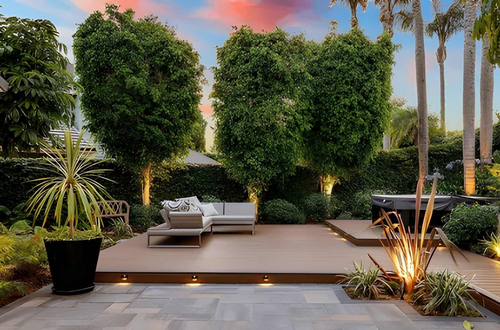
Every decoration tips Decoradyard approach starts here for a reason. Furniture and lighting affect how a yard functions. Everything else is cosmetic. Get a weather-resistant seating set that fits your primary zone first. Then add lighting — string lights for ambiance, path lights for safety, and one or two statement pieces like a solar lantern or a wall sconce near the entry.
Step 3: Introduce Greenery Strategically
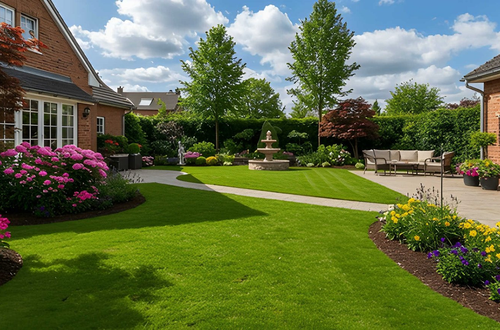
Plants do more work than any other yard element. They add color, create privacy, soften hard edges, and — if you choose the right ones — require almost no maintenance. For Canadian yards, focus on:
| Plant Type | Best Use | Climate Notes |
| Ornamental grasses | Border definition | Hardy in zones 3–8 |
| Boxwood shrubs | Privacy screening | Evergreen, low maintenance |
| Black-eyed Susans | Color pops | Thrives in most Canadian zones |
| Lavender | Fragrance + color | Best in zones 5–8 (BC, Ontario) |
| Hostas | Shade coverage | Ideal for north-facing yards |
Group plants in odd numbers (three or five) for a natural look. Avoid straight lines unless you’re going for a formal garden style.
Step 4: Choose a Style and Commit to It
One of the core decoration tips Decoradyard principles is visual consistency. Mixed styles — a rustic wood bench next to a modern metal planter next to a cottage-style birdhouse — create visual noise. Pick one of these three directions and stick to it across every purchase:
| Style | Key Materials | Best For |
| Modern Minimalist | Concrete, steel, neutral tones | Clean suburban layouts |
| Rustic Natural | Wood, stone, earth tones | Larger properties, rural yards |
| Coastal Relaxed | Rope, light wood, blues/whites | BC, Maritime homeowners |
Step 5: Add Accessories Last
Outdoor pillows, lanterns, rugs, and small sculptures come last — not first. They’re the layer that personalizes a space that already has good bones. Keep it to three to five accent pieces per zone. More than that and the yard starts to look cluttered.
Common Decoration Mistakes Canadian Homeowners Make
| Mistake | Why It Hurts | Quick Fix |
| Buying furniture before planning zones | Pieces end up in wrong spots | Sketch layout first |
| Choosing non-weather-resistant materials | Fades and rots within one season | Look for teak, powder-coated steel, or HDPE |
| Overcrowding with plants | Looks messy, reduces airflow | Stick to 60% coverage, 40% open space |
| Ignoring lighting | Yard becomes unusable after 8pm | Add at least two light sources per zone |
| Copying interior trends outdoors | Indoor styles don’t translate | Choose materials rated for outdoor use |
Frequently Asked Questions
What is Decoradyard and why do Canadian homeowners use it?
Decoradyard is an outdoor and home decoration resource focused on practical, budget-aware design. Canadian homeowners find it useful because the tips account for real-world climate and space constraints — not just aesthetic ideals.
How much should I budget to transform a yard using decoration tips?
A meaningful yard transformation in Canada typically runs $800–$2,500 depending on size. Seating and lighting take the largest share. Plants and accessories can be added gradually over a season without losing design cohesion.
Which outdoor materials hold up best in Canadian winters?
Powder-coated aluminum, teak wood, HDPE resin, and galvanized steel all perform well across Canadian climate zones. Avoid untreated iron, natural wicker, or anything rated for indoor use only.
Can I apply these tips to a small yard or balcony?
Yes. The zone-mapping approach works at any scale. On a balcony, one seating zone and one plant zone is enough. Vertical planters and wall-mounted lights save floor space without sacrificing style.
Final Word
A good yard doesn’t happen by accident — and it doesn’t require a designer or a big budget. What it requires is a clear order of operations: zones first, furniture and lighting second, greenery third, accessories last. Decoration tips Decoradyard makes this process approachable for everyday smart home owners who want results they can actually live with.
Start with one zone. Get the seating and lighting right. Add plants that suit your climate. Then let the accessories come naturally. That’s the approach — and it works. Read more at https://decoratoradvice.ca/